Commercial Coverage: Why Exotic Rental Agencies Rarely Carry a Fleet Policy

Commercial coverage is the insurance that a rental business buys to cover the cars it rents out. Most exotic car rental agencies do not carry it. They insure each rental through the renter's own auto policy, and they check that policy before the car leaves. This post explains how the industry works, and it is not insurance or legal advice.
Do Exotic Car Rental Companies Have Insurance?
Most exotic car rental companies do not have a commercial policy that covers the rental cars themselves. That is common in California and across the United States. Each rental is covered by the renter's personal auto policy and by a security deposit that is sized to the renter's deductible.
An agency without a fleet policy is not unusual. The question that matters is how carefully the agency checks each renter's policy, which is covered below.
Why Commercial Coverage Is So Hard to Get
Commercial coverage is hard to get because the agency model does not fit the way a commercial auto policy is written. An agency rents cars that it does not own, and that causes four problems.
- A commercial policy commonly requires every car to be listed on it, although an agency holds a brokered car only for the days of one rental.
- A car that an owner has placed is titled and registered to the owner, so the name on the car does not match the business that is insuring it.
- The premium is commonly quoted at $2,000-3,000 a month for each car.
- One or two claims can lead the insurer to cancel the policy, and a cancelled agency struggles to find another one.
The cost is the problem that decides it. An agency keeps less than half of each rental, because the owner receives 50-60%. A premium of that size can take most of the agency's share of a car.
An agency could cover the premium by keeping 60-70% of each rental. Owners would then place their cars with the agencies that pay 50-60%. The agency with the policy would lose the cars it bought the policy to protect.
Why Does a Rental Agency Want to Lease My Car to Its LLC?
A rental agency wants to lease your car to its LLC because a commercial insurer will not cover a car that the agency has no documented right to. A lease gives the agency that right, even when the lease is for $1 a month. The policy then commonly lists the owner as the loss payee.
The lease has a consequence that an owner should know about. When a personally financed car is added to a commercial policy, the lender is commonly notified. Many personal auto loans do not allow commercial use, so the owner can end up in breach of the loan contract.
An owner who is asked to lease a car to an agency should read the loan contract first. The post on vehicle management covers the other terms of placing a car.
How a Rental Is Insured Without a Commercial Policy
A rental is insured without a commercial policy through the non-owned auto coverage in the renter's personal policy. That coverage extends the renter's own insurance to a car that is not listed on the policy, such as a borrowed car or a rental.
A renter cannot buy this coverage as a separate item, so it does not appear as a line on the declarations page. It is written into the policy contract and the endorsements attached to it. Insurers also limit it for cars that are rented for a fee, and the limits are in the same documents.
Two large insurers show how the limit works in California. Progressive uses an endorsement numbered A340, while GEICO writes the same rule into its policy form A30CA. For a rented car with an MSRP above $100,000, the insurer pays no more than the value of the most valuable car on the renter's own policy.
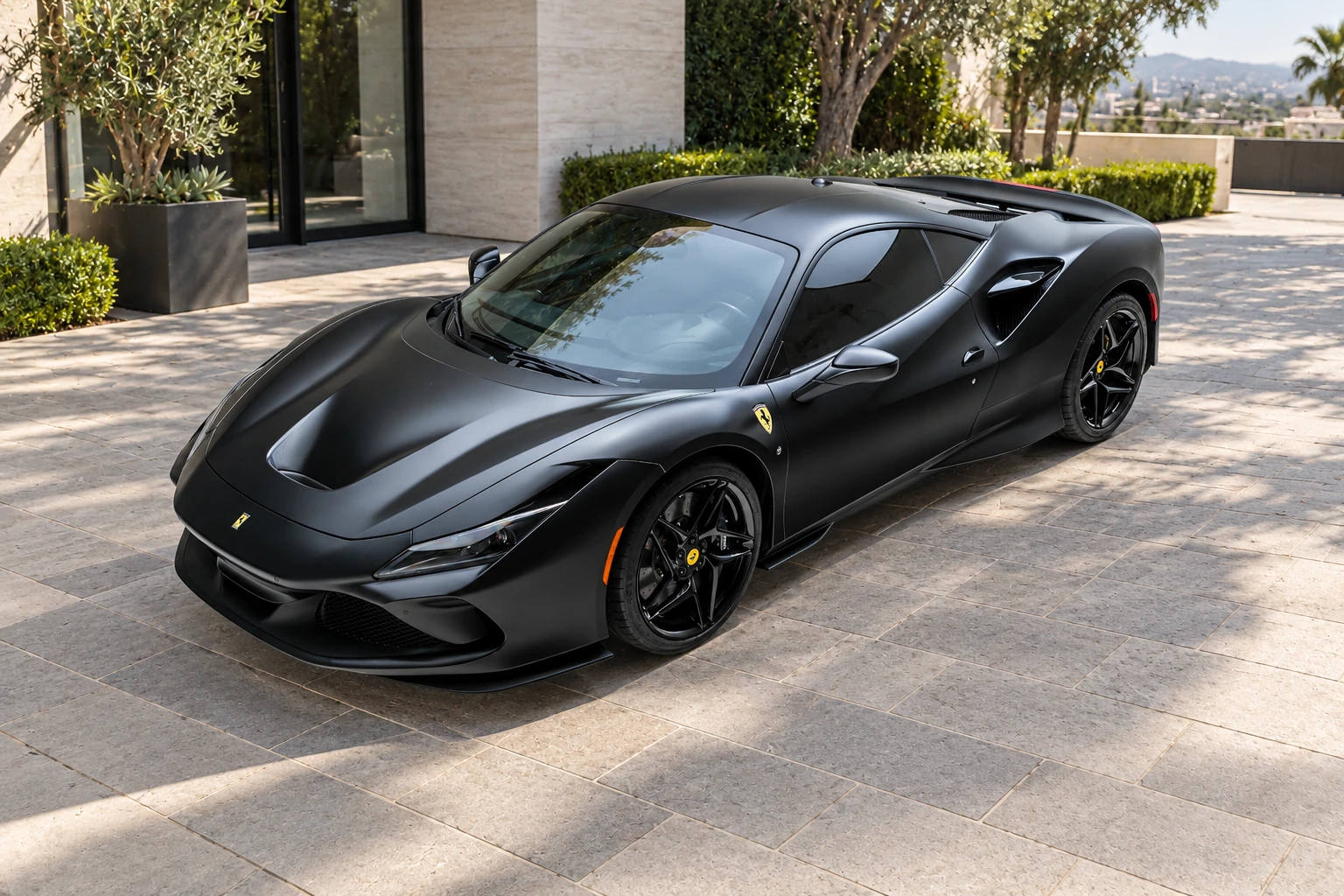
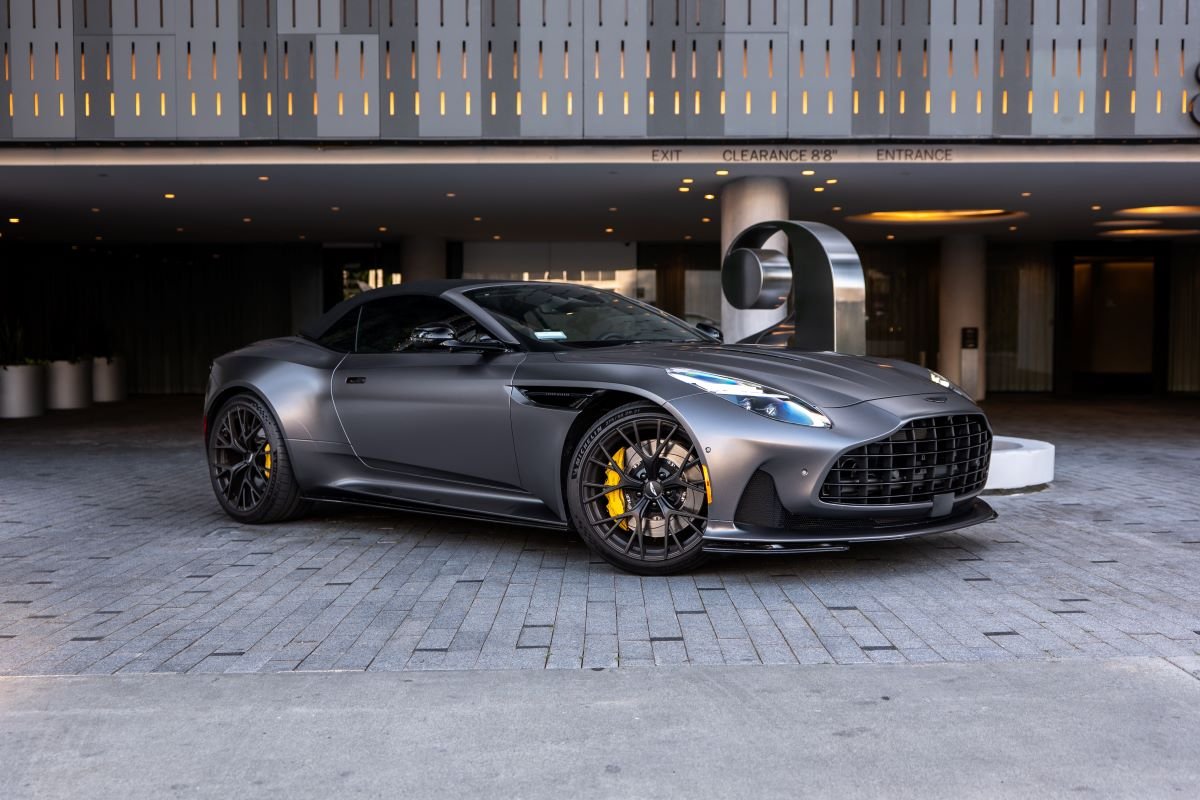
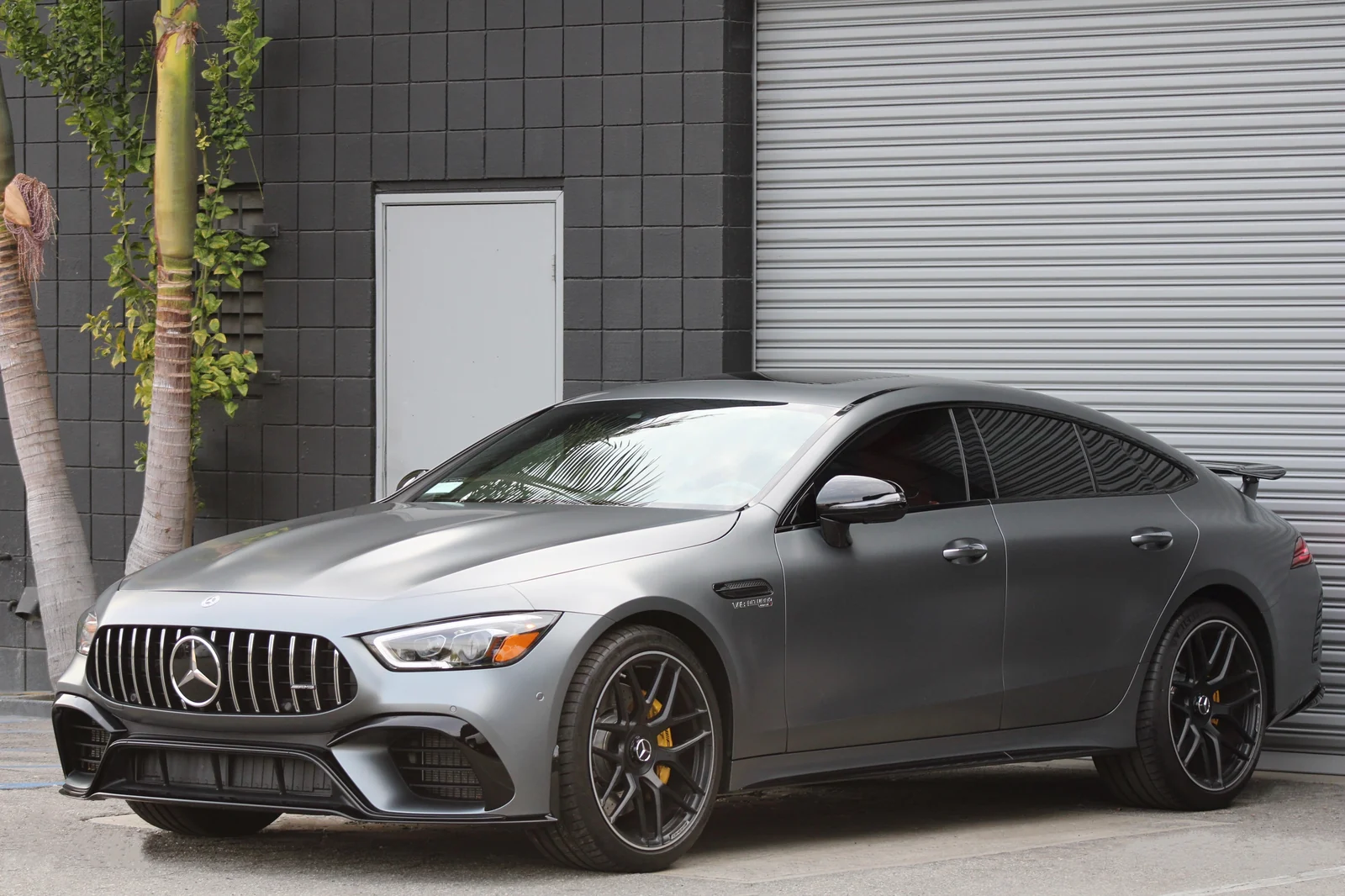
A Mercedes-AMG GT 63, an Aston Martin DB11, and a Ferrari F8 all carried an MSRP above $100,000. A renter whose own car is worth $30,000 is covered for about $30,000 of damage to any of them. A renter who says they have full coverage may not know this, which is why the agency has to read the forms.
What Insurance Does a Car Rental Business Need?
A car rental business needs four kinds of insurance to be fully covered, and each one covers a different part of the operation.
- General liability covers accidents at the business, such as a visitor who is injured at the warehouse.
- Garagekeepers coverage covers the cars while they are stored, against events such as a fire or a flood.
- Delivery driver coverage covers the staff who drive the cars to and from renters.
- Per-rental coverage covers a car while a renter has it on the road.
Buying commercial insurance is closer to a pitch than to an application. The insurer looks at the booking software, the vehicle tracking, and the records the business keeps, and it prices the risk from what it finds. A business with better systems can usually get a better price.
Does My Personal Insurance Cover My Car When It's Rented Out?
An owner should not count on a personal policy to cover a car while it is rented out. Personal auto policies commonly exclude a car that is being rented to someone else. In the agency model, a claim is made on the renter's policy and not on the owner's.
An owner should still read their own policy and ask their insurer how it treats a car that is placed with an agency. The answer varies by insurer.
Who Pays If a Renter Crashes My Car?
If a renter crashes your car, the renter's insurer pays for the damage under the renter's policy, up to the limit of that policy. The renter pays the deductible, which the security deposit is sized to cover. The rental contract commonly makes the renter responsible for anything above the limit.
The limit is the weak point, for the reasons above. An agency that never read the renter's policy can find out after a crash that the policy covers a fraction of the car. The post on the agency model explains who handles a repair.
What an Owner Should Ask an Agency About Insurance
An owner should ask an agency how it verifies each renter's insurance. Asking whether the agency has a commercial policy is less useful, because very few agencies do. An agency that has one usually has to keep a larger share of each rental to pay for it.
- Ask whether the agency collects the declarations page or only the insurance card.
- Ask whether the agency reads the policy contract and the endorsements.
- Ask whether the agency calls the insurer before every rental.
- Ask how the security deposit is set.
- Ask what happened on the last claim the agency handled.
Commercial Coverage at Prometheus Exotics
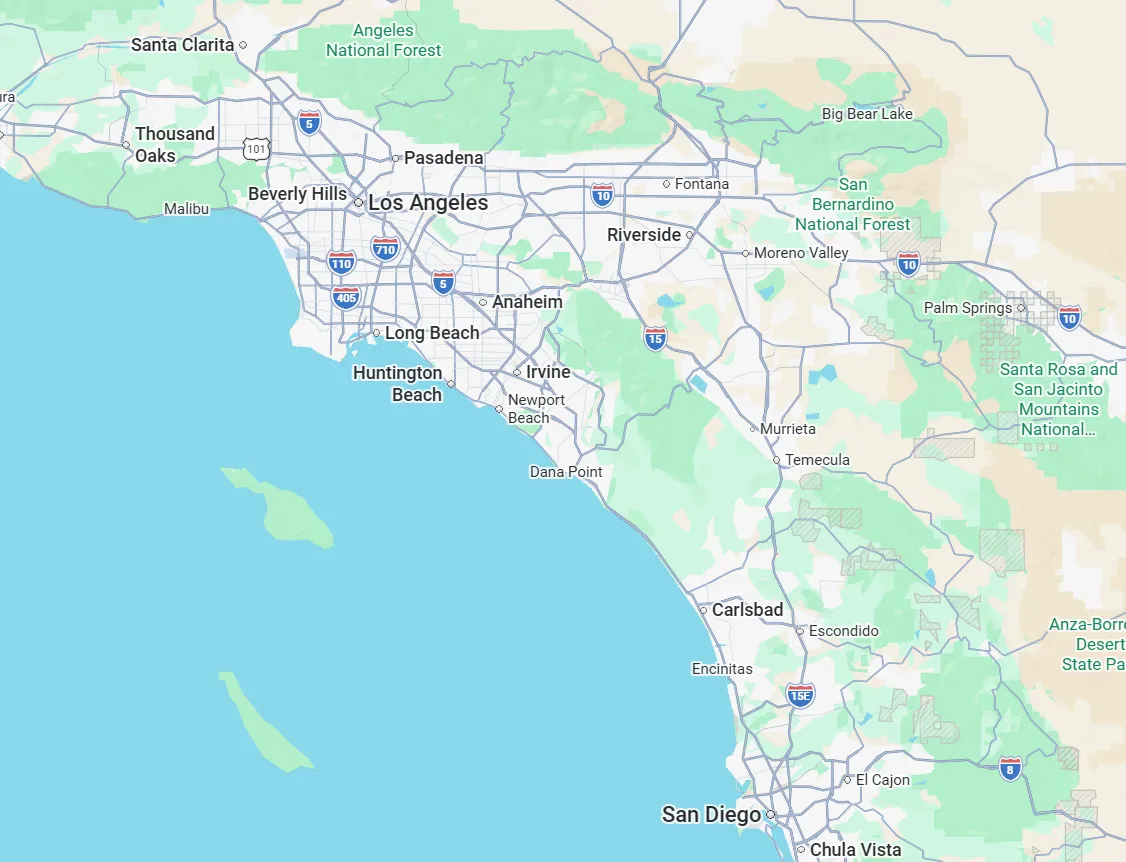
I'm Ken Van Vorhis, the founder of Prometheus Exotics, an exotic car rental agency in Orange County, California. I do not carry a commercial fleet policy at Prometheus Exotics, and almost no agency in California does. I would rather explain why than leave an owner to assume that one exists.
At Prometheus Exotics, we verify every renter's policy before a car is released, and we do it in four steps.
- We collect the declarations page, because it lists the form numbers of the policy contract and its endorsements.
- We pull those forms from California's public SERFF filings and read every line that applies to a rented car.
- We call the renter's insurer and ask whether the renter has comprehensive and collision coverage, whether it extends to a rental, and what limits apply.
- We then ask the insurer whether it would cover the exact car the renter is booking, and we keep a record of the answer.
The car goes out only after all four steps. Any claim is made on the renter's policy, and we do not ask an owner's personal policy to cover a rental. To place a car with us, send the year, make, model, and mileage through the Prometheus Exotics investor page.
Details checked November 2026.
Frequently Asked Questions