Vehicle Management: What It Means to Place a Car With a Rental Agency


Vehicle management is an arrangement where a private owner places an exotic or luxury car with a rental agency to rent out. The owner keeps the title, while the agency finds the renters, verifies them, delivers the car, and pays the owner a share of every rental. Across the exotic rental industry, that share ranges from 50-70%.
What Is Vehicle Management?
Vehicle management is the service a rental agency provides to a private car owner. The owner supplies the car, while the agency supplies the renters, the rental contract, the verification, the delivery, and the storage. The agency then rents the car out under its own contract, but only to renters it has checked.
Most exotic rental agencies do not own the cars they rent. The cars belong to private owners, and vehicle management is the agreement that puts those cars in a rental fleet. A renter sees one company and one car, even though a private owner holds the title behind that rental and receives a share.
The exotic rental industry uses two names for this arrangement. Consignment is the older word for placing a car with an agency to rent, while a vehicle management program is the same arrangement offered as a full service. Owners rarely use either word, because most of them simply say they barely drive the car and ask whether renting it out is worth it.
Vehicle Management, Consignment, and Turo Co-Hosting
Vehicle management, consignment, and co-hosting are three different arrangements, although owners often confuse them. The difference is who rents the car to the driver and whose contract the driver signs.
- Consignment at a dealership means the dealer sells the car for the owner, and the owner gives up the car.
- Consignment at a rental agency means the agency rents the car for the owner, and the owner keeps the car.
- Vehicle management is rental consignment run as a full service, where the agency handles every renter under its own contract.
- Co-hosting on Turo means another person helps manage a car listed on Turo, and the car is still rented under Turo's terms.
Vehicle management is not peer-to-peer renting, which is when an owner rents a car to a stranger through a car sharing app. Under vehicle management, the rental agency is the company that rents the car out, and the agency checks each renter before the car leaves.
The value of the car often decides which arrangement is open to an owner. The comparison of Turo vs an exotic car rental agency explains how the two differ for a six-figure car.
What the Agency Handles and What Stays With the Owner
The agency handles the rental operation, while the owner keeps the costs of owning the car. That division is the center of every vehicle management agreement, and a full-service agency handles the following work.
- The agency markets the car and pays for the marketing.
- The agency verifies every renter's license and insurance before the car leaves.
- The agency signs the rental contract with the renter and collects the payment.
- The agency collects the security deposit, which is a refundable hold on the renter's card.
- The agency delivers the car to the renter and picks it up.
- The agency stores the car in a secure location and controls the keys.
- The agency pays the operating costs, which include software, delivery drivers, and background checks.
The owner keeps the title, along with the costs that come with owning any car. Those costs do not move to the agency under a vehicle management agreement.
- The owner pays for maintenance, including the extra wear that renting adds.
- The owner absorbs depreciation, which is the value a car loses with age and miles.
- The owner keeps the car's own insurance policy active for the time between rentals.
- The owner of a financed or leased car confirms that the lender allows rental use.
Damage during a rental is the renter's responsibility. Small damage, such as a scraped wheel, comes out of the renter's security deposit, while a collision goes on the renter's own insurance. The agency confirms that insurance before every rental, and the insurance requirements for an exotic car rental in California explain the check.
How Is the Owner Paid?
The owner is paid a percentage of each rental, after any broker commission. A broker is a person who brings the renter and earns a commission on the booking. Across the exotic rental industry, the owner's share ranges from 50-70% of what remains, and the exact share depends on the year, make, model, condition, and mileage of the car. Prometheus Exotics, for example, pays owners 50-60%.
The example below shows the arithmetic for one month. The numbers are an example and not a forecast, and they are not the results of any real car.
- A car rents for 6 days in one month at $1,000 a day.
- Rental revenue for that month is $6,000.
- No broker brought the renters, so the full $6,000 is split.
- At a 55% share, the owner receives $3,300.
- The owner's maintenance and depreciation come out of that $3,300.
An owner should be able to see the dates, mileage, and earnings of every rental, whether through a statement or a live dashboard. However, the payout is revenue before the owner's own costs, so an owner should subtract maintenance and depreciation to see what the car earned. The post on the owner's math works through a full example.
What the Agency's Share Pays For
The agency's share is not profit, because it pays for the work that keeps the car rented and protected. An owner comparing two offers should compare what each agency does with its share, and not only the percentage. A full-service agency pays for the following work out of its share.
- The marketing that brings the renters, along with the software that runs the bookings.
- The staff who answer inquiries, verify renters, and deliver the car.
- The background check and the insurance verification on every renter.
- The secure storage where the car is kept between rentals.
- The photos and inspections at every handoff, which decide a damage dispute.
- The work of recovering damage costs from the renter after a claim.
A 70% offer deserves a harder look, although it is not automatically a bad one. The extra 10% has to come out of the agency's share, which means something on the list above is being done with less money. An owner should ask the agency which item that is, because a car that sits unrented or comes back damaged with no record costs far more than 10%.
Agencies that know their numbers tend to hold the owner's share at 50-60%, because that is what the work costs. A higher share usually makes sense only on a very high-value car, where the daily rate leaves more room. The post on the owner split covers how the percentage is set.
Can the Owner Still Use the Car?
A vehicle management agreement should let the owner keep using the car, as long as the agency gets advance notice. The agency blocks those dates on the rental calendar, the same way it blocks a booking. However, a rental that is already booked comes first, so the owner cannot take the car on dates a renter has reserved.
The agreement also sets how the arrangement ends. A month-to-month agreement renews each month until one side ends it, while the notice period says how much warning each side must give. Any rental already booked is normally completed before the car goes back to the owner.
Owner use works best when the owner plans ahead, because some rentals are booked weeks in advance while others are booked the same day. An owner who gives dates early keeps those dates, but an owner who asks on short notice may find the car already reserved.
Who Is Vehicle Management For?
Vehicle management fits an owner whose car sits parked for most of the month. An exotic car costs money every month whether it is driven or not, because the loan payment, the insurance, and the depreciation continue while the car is parked. Renting the car turns some of those idle days into income.
The cars placed with agencies are the cars renters ask for by name. A Lamborghini Urus, a Mercedes-Benz G-Wagon, and a Porsche 911 Carrera are common examples, although demand changes with the make, the model, the trim, and the color.
Vehicle management does not fit an owner who needs the rental income to afford the car, because rental demand changes by season and by car and no month is guaranteed. Place a car you can already afford, never one you need the rentals to keep. Renting also adds miles and wear, and both lower the price the car sells for later.
What to Settle Before Placing a Car
An owner should settle four points in writing before handing a car to any agency, because each point decides who carries a cost or a risk later.
- The agreement should name the company that will rent the car out, and say whether that company can pass the car to another agency.
- The agreement should say where the car is kept between rentals and who holds the keys.
- The agreement should assign maintenance, depreciation, marketing, and delivery costs to one side each.
- The agreement should state the notice period and what happens to rentals that are already booked.
Vehicle management means a rental agency runs the rental operation around a privately owned car and pays the owner a share, while the owner keeps the title, the maintenance, and the depreciation. The arrangement works best for a car the owner can already afford and rarely drives.
Vehicle Management at Prometheus Exotics
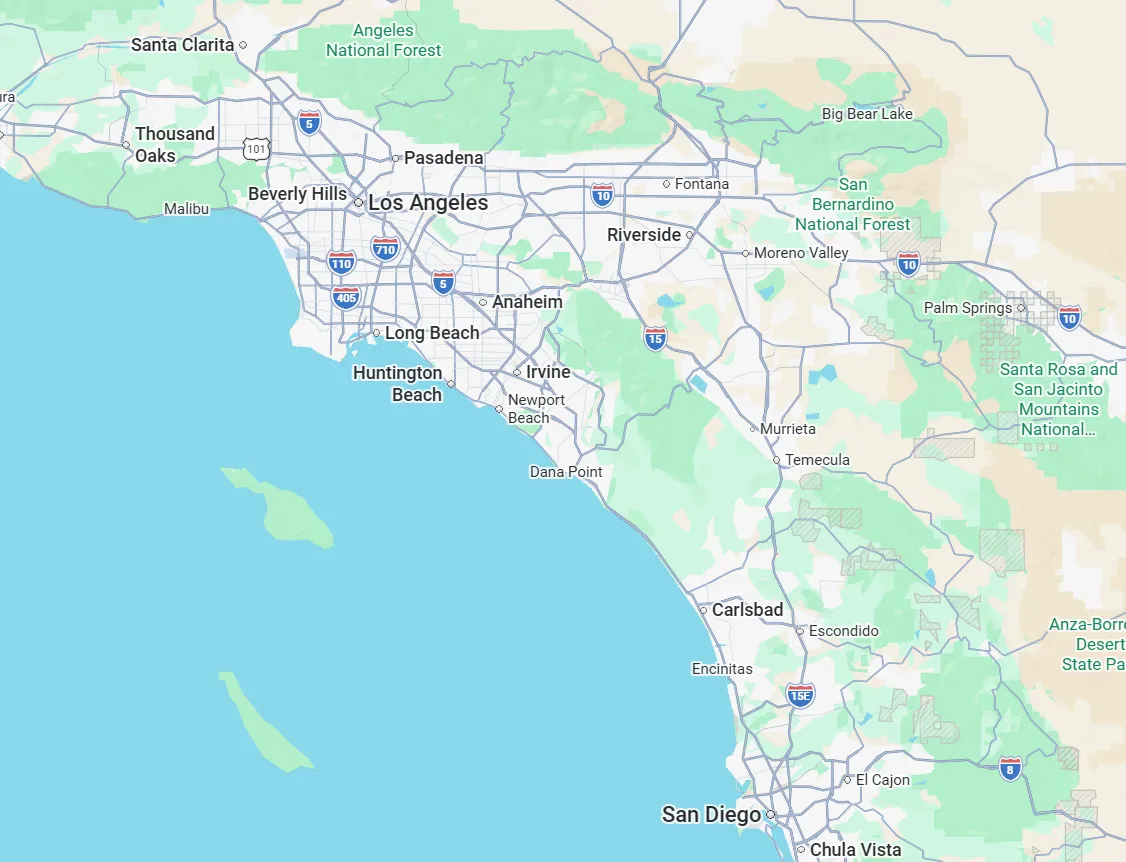
I'm Ken Van Vorhis, the founder of Prometheus Exotics, an exotic car rental agency in Orange County, California. I've been on the owner's side of this arrangement, because I placed my own cars with a rental agency as a private owner.
At Prometheus Exotics, we offer vehicle management to private owners across Southern California, and we call those owners investors. Investor is a title and not a financial product, because we do not offer securities or investment products. The owner's share is 50-60%, and owners follow their car's rentals and earnings on a live dashboard. The agreement runs month to month with one week of notice.
We pay for the marketing, the software, the delivery drivers, the background checks, and the renter verification out of our share. To find out whether your car fits, send us the year, make, model, and mileage through the Prometheus Exotics investor page.
Details checked November 2026.
Frequently Asked Questions