Lamborghini Aventador Rental
The last old-school Lamborghini V12, with scissor doors and a gearbox that punches on every shift.




Overview
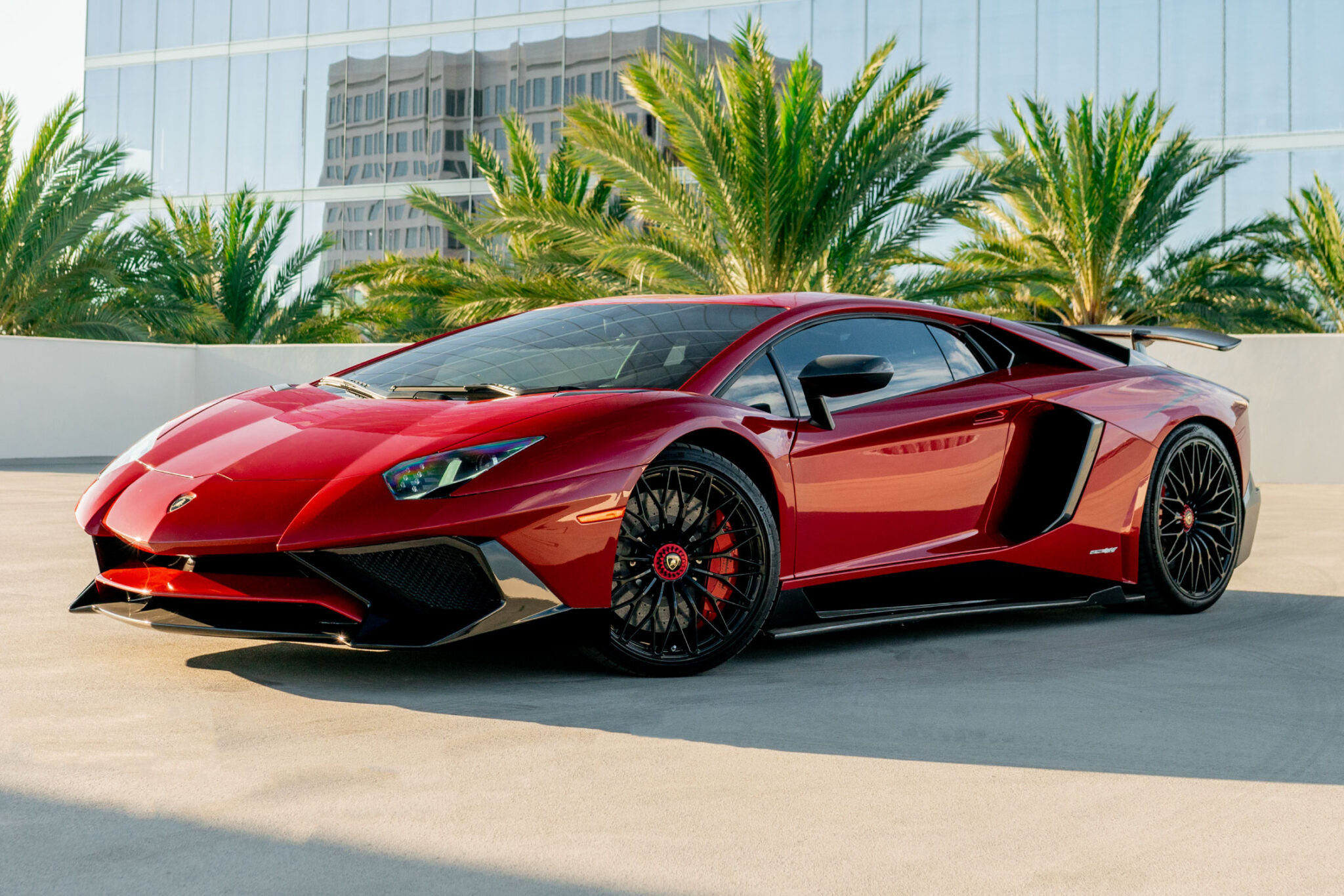
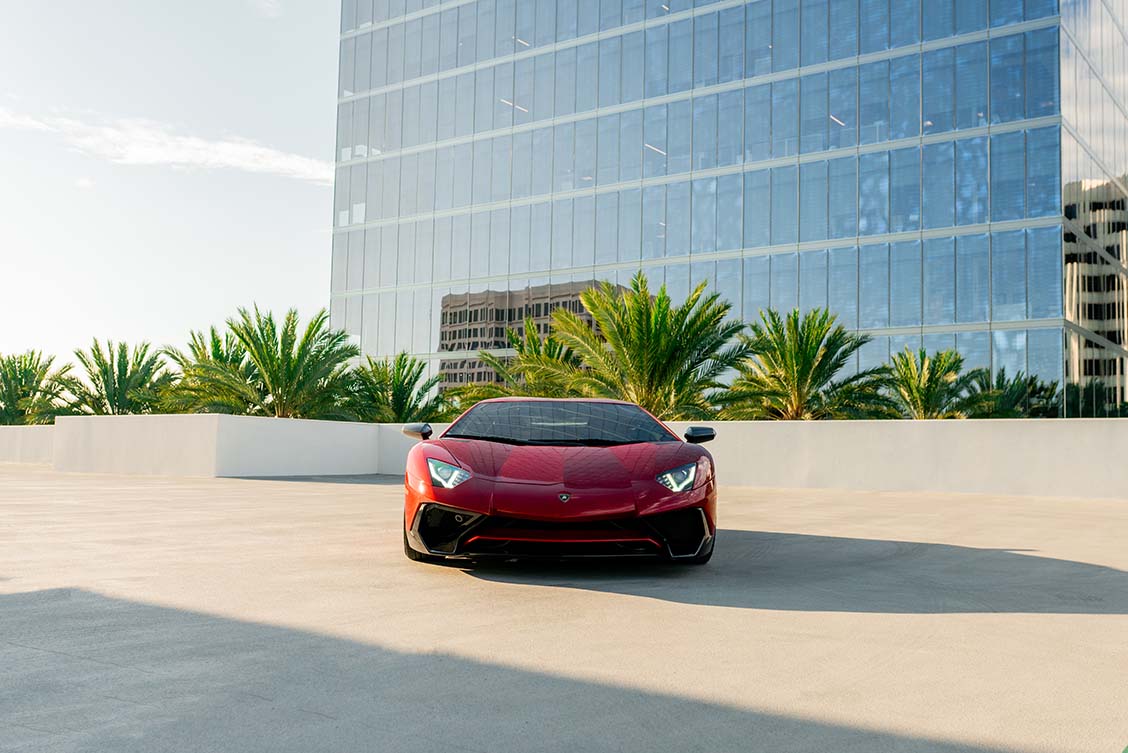
The Lamborghini Aventador is the brand's last naturally aspirated V12 supercar, built before Lamborghini added a hybrid system or a twin-clutch gearbox to its flagship. Renters book it for the loudest possible arrival, choosing the scissor doors, the letterbox windscreen and a gearbox that punches on every upshift over an easier Huracan or Urus.
How It Drives
The single-clutch gearbox turns every upshift into a physical punch, and the 6.5 liter V12 pulls without a turbo's delay to 8,500 rpm. That makes the Aventador a car for an occasion rather than a commute, booked to be seen stepping out of first and driven second.
Who Rents It
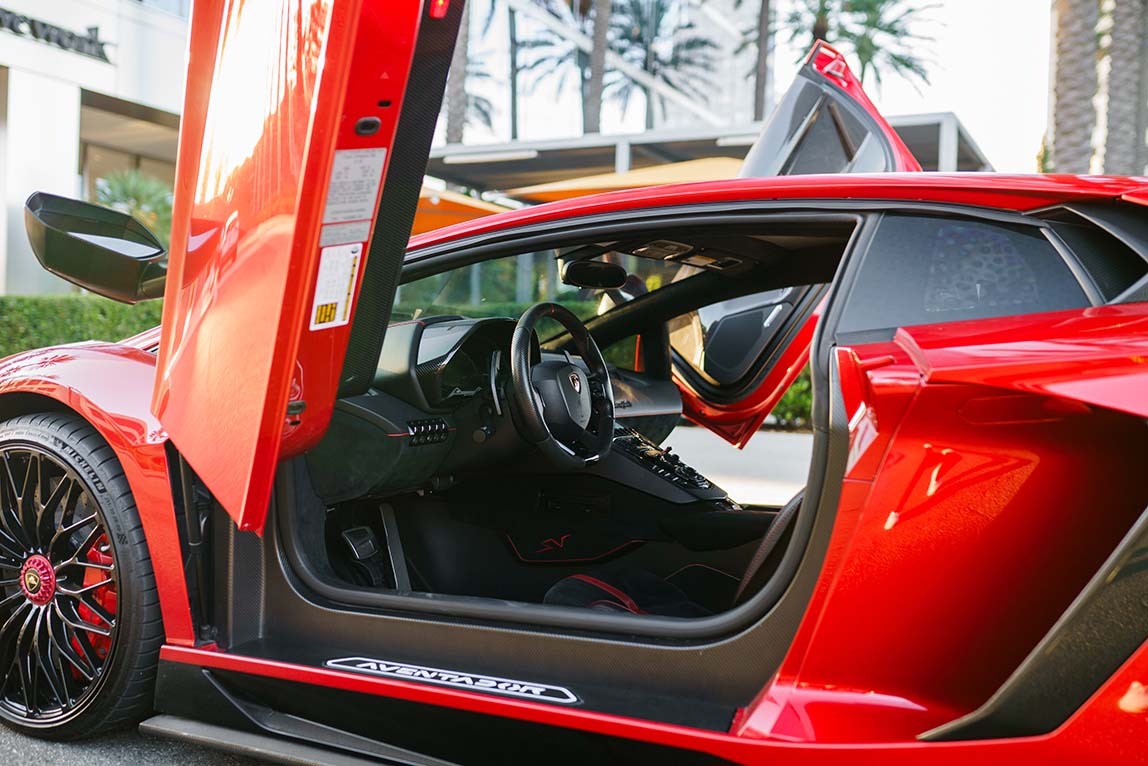
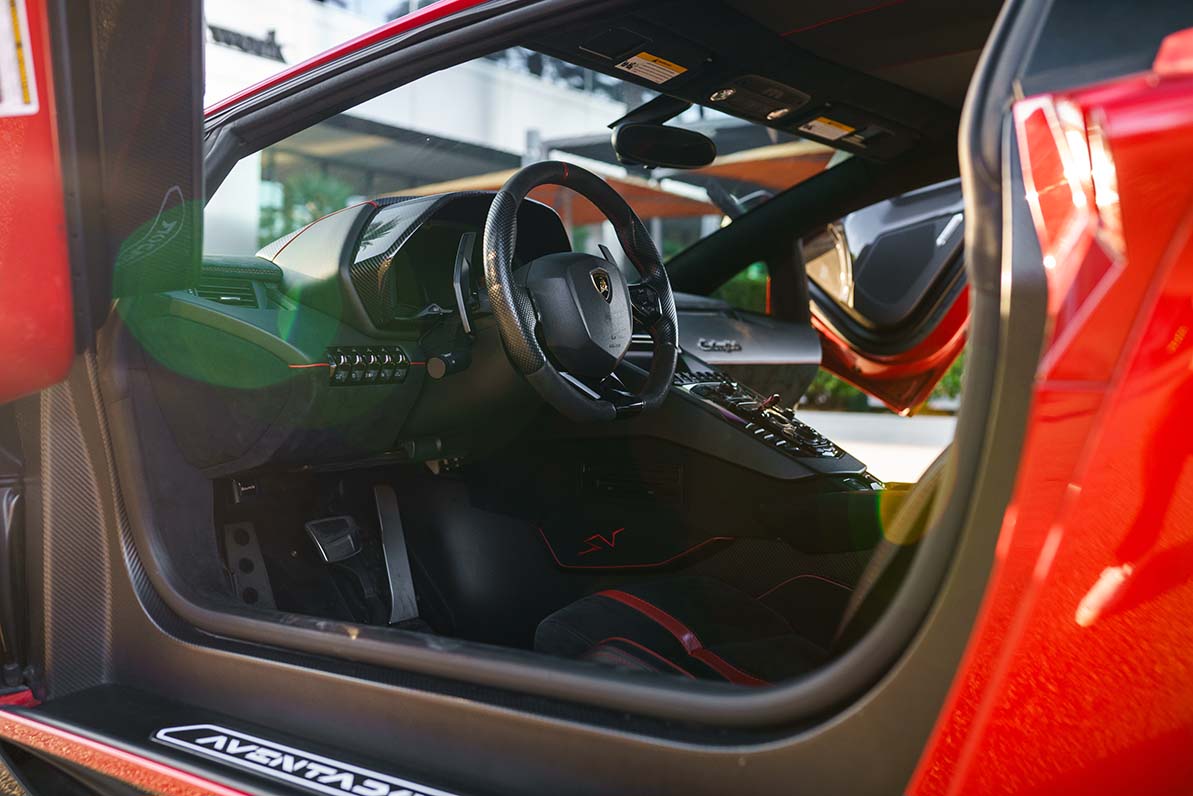
The Lamborghini Aventador is booked by renters who want the loudest possible arrival on the lot, ahead of anything with conventional doors. The scissor doors swing up and out, the wide sill forces a deliberate step over, and by the time the door comes back down a phone is usually already out. Strangers read scissor doors and a V12 as the clearest signal of arrival ahead of any other car nearby. This is a rental chosen to be seen stepping out of first and driven second, booked for a proposal, a red carpet, or an entrance that needs no explanation. A renter who wants the badge without that spectacle should book a Urus instead. The Aventador is booked for the moment of arrival, not for a quiet errand.
Trim Breakdown
Lamborghini built the Aventador in five steps, from the 690 hp original up to the 769 hp Ultimae, and every one of them runs the same naturally aspirated 6.5 liter V12. We run the SV and the SVJ.
Aventador and Aventador Roadster
The original Lamborghini Aventador makes 690 hp through a single clutch seven speed gearbox, with no rear wheel steering and no active aerodynamics. The Roadster version adds two removable carbon roof panels that lift off by hand. We do not run either car, and both turn in more slowly and ride softer than the versions that followed.
Aventador S
The Lamborghini Aventador S raises output to 730 hp and introduces rear wheel steering, which tightens the turning circle at parking speed and settles the car above 80 mph. It adds an Ego drive mode that lets you set engine, gearbox and suspension separately. We do not run the S, and it sits directly below the SV on power.
Aventador SV
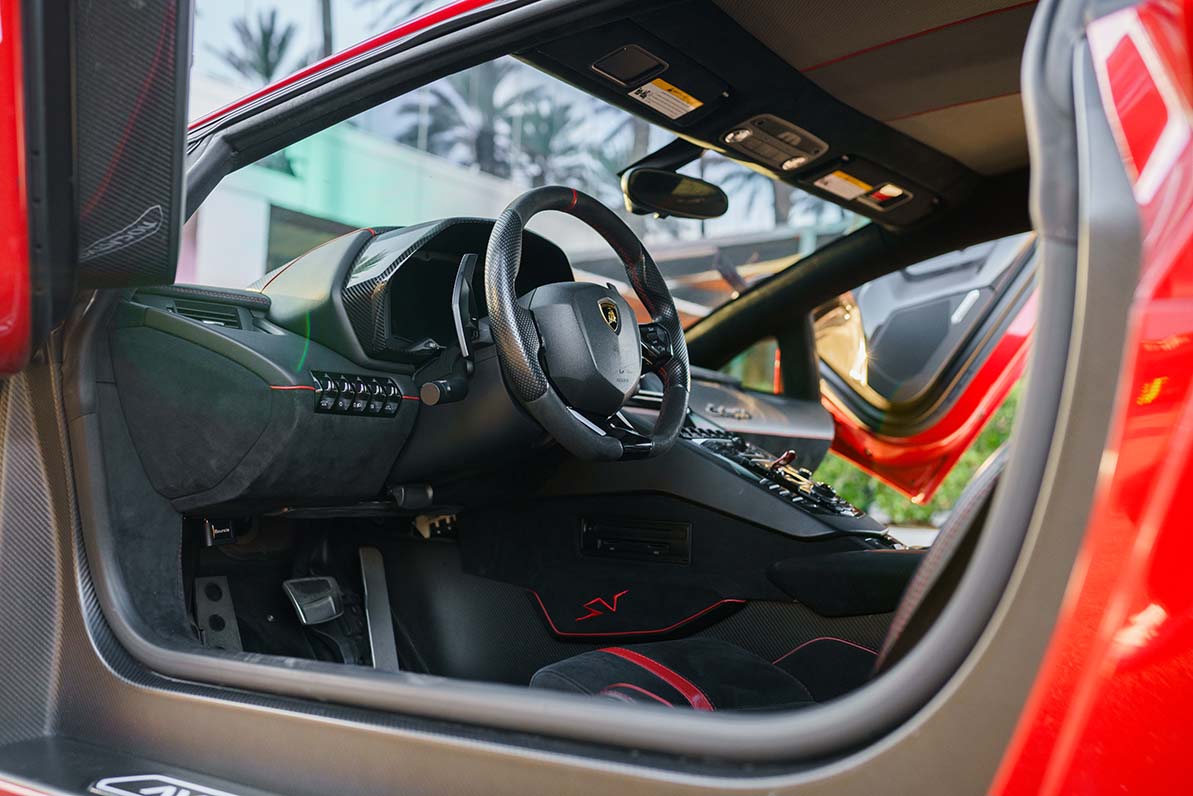
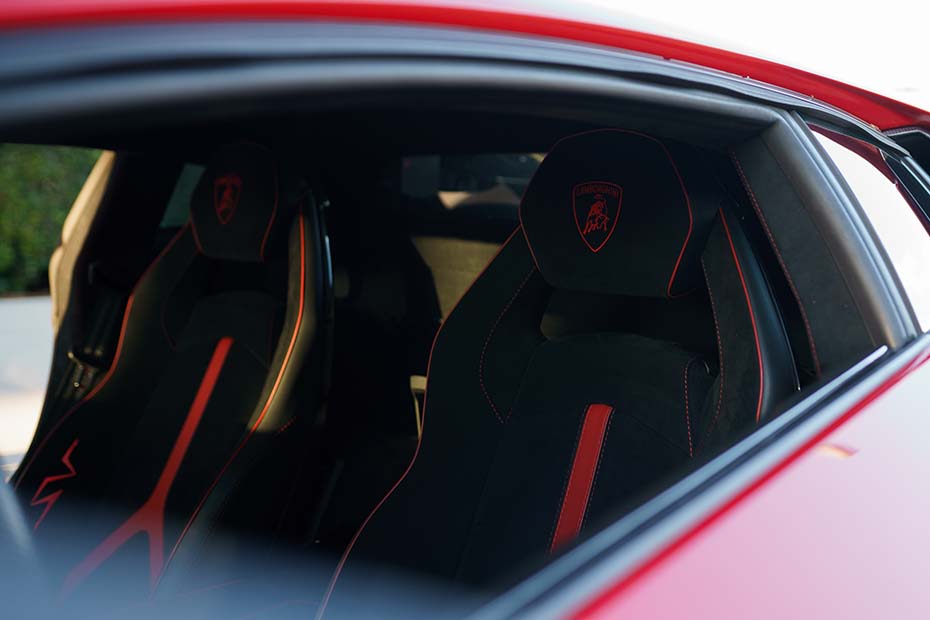
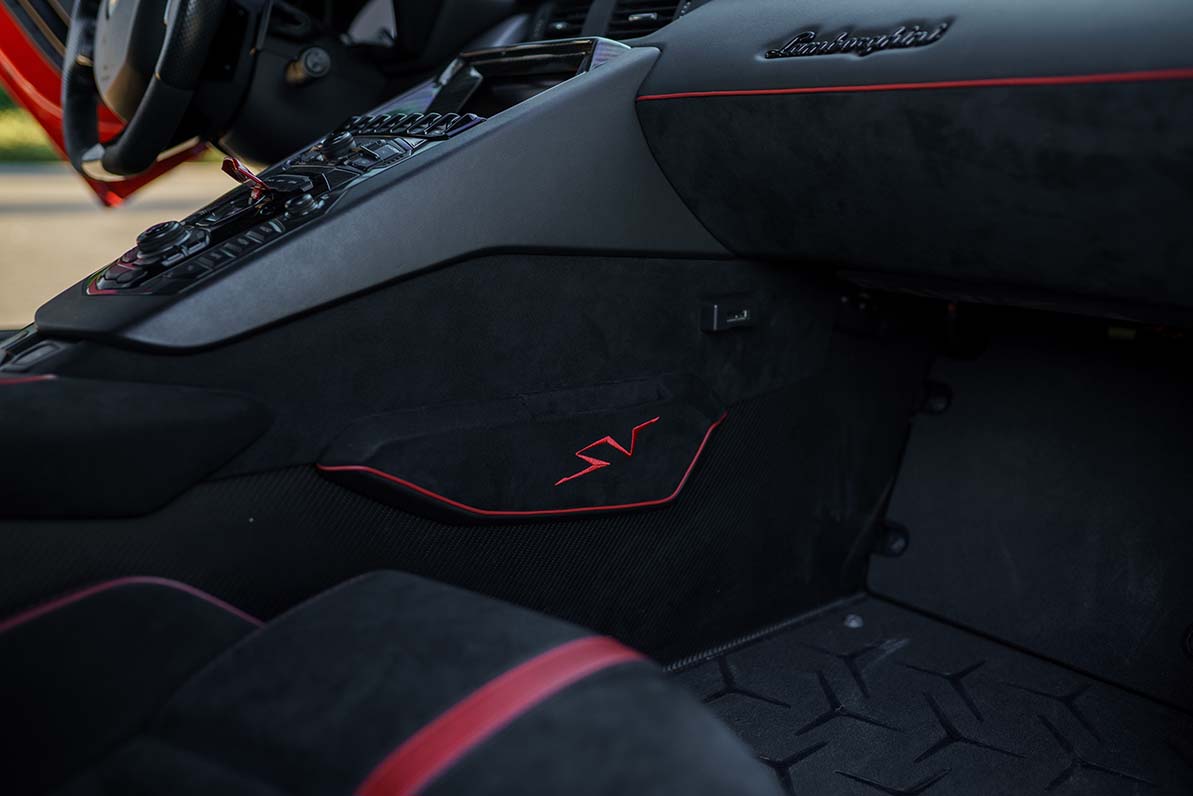
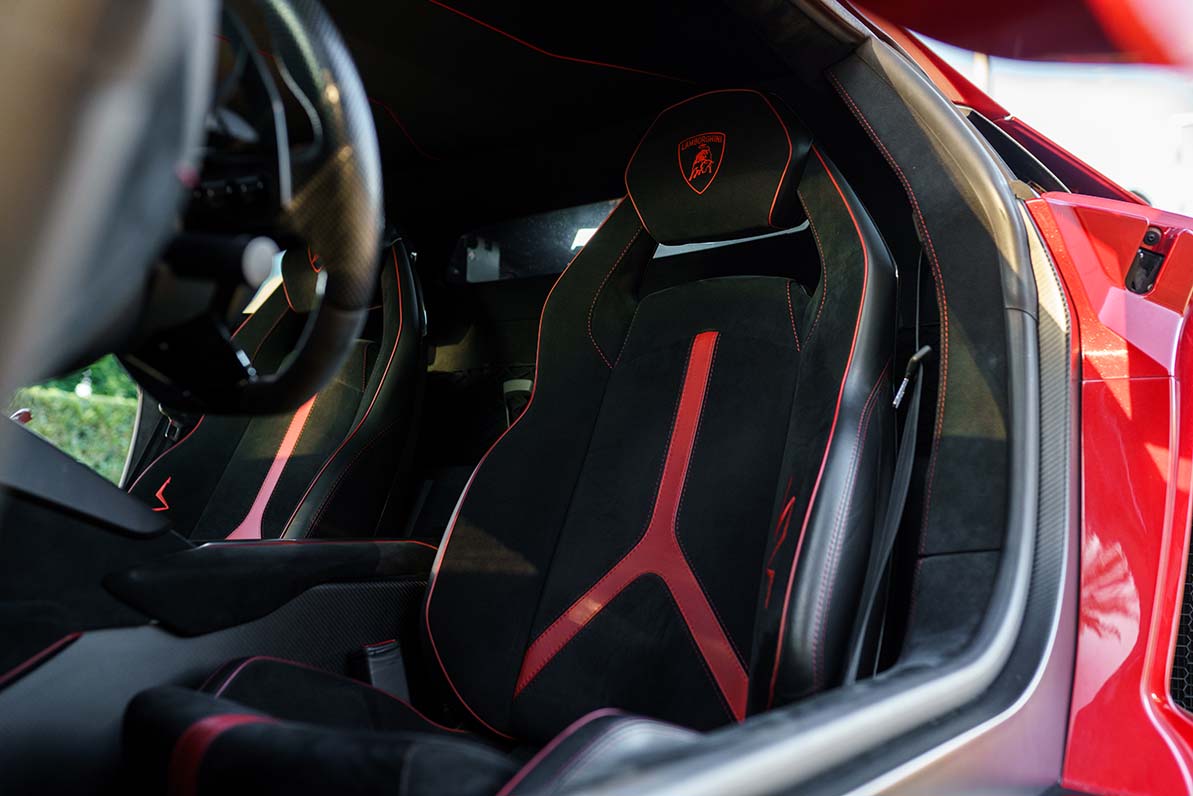
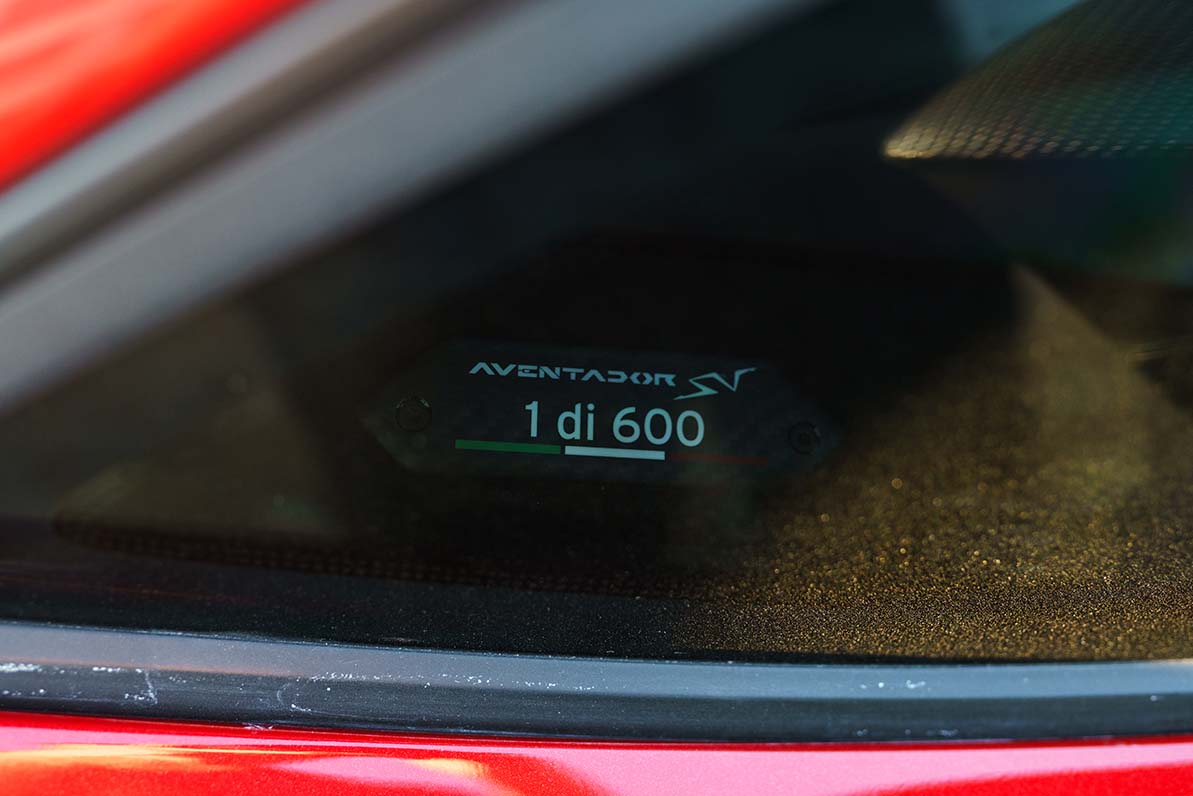
The Lamborghini Aventador SV makes 740 hp, drops weight through thinner seats and less sound deadening, and carries a fixed carbon rear wing with magnetorheological dampers. We run the SV. It has the firmest ride and the widest turning circle of the three cars we keep, and it is the rawest way to use the V12.
Aventador SVJ and SVJ Roadster
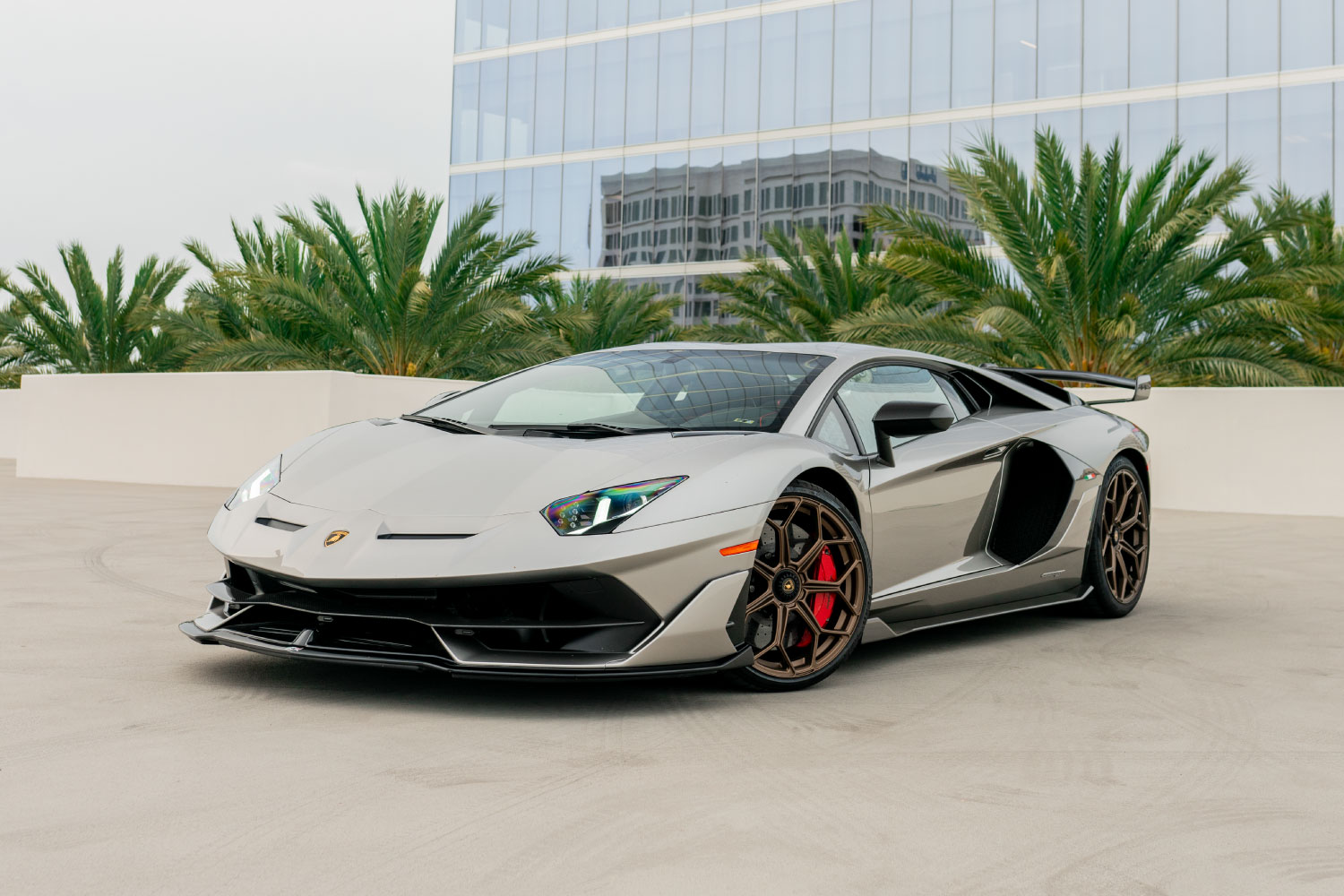
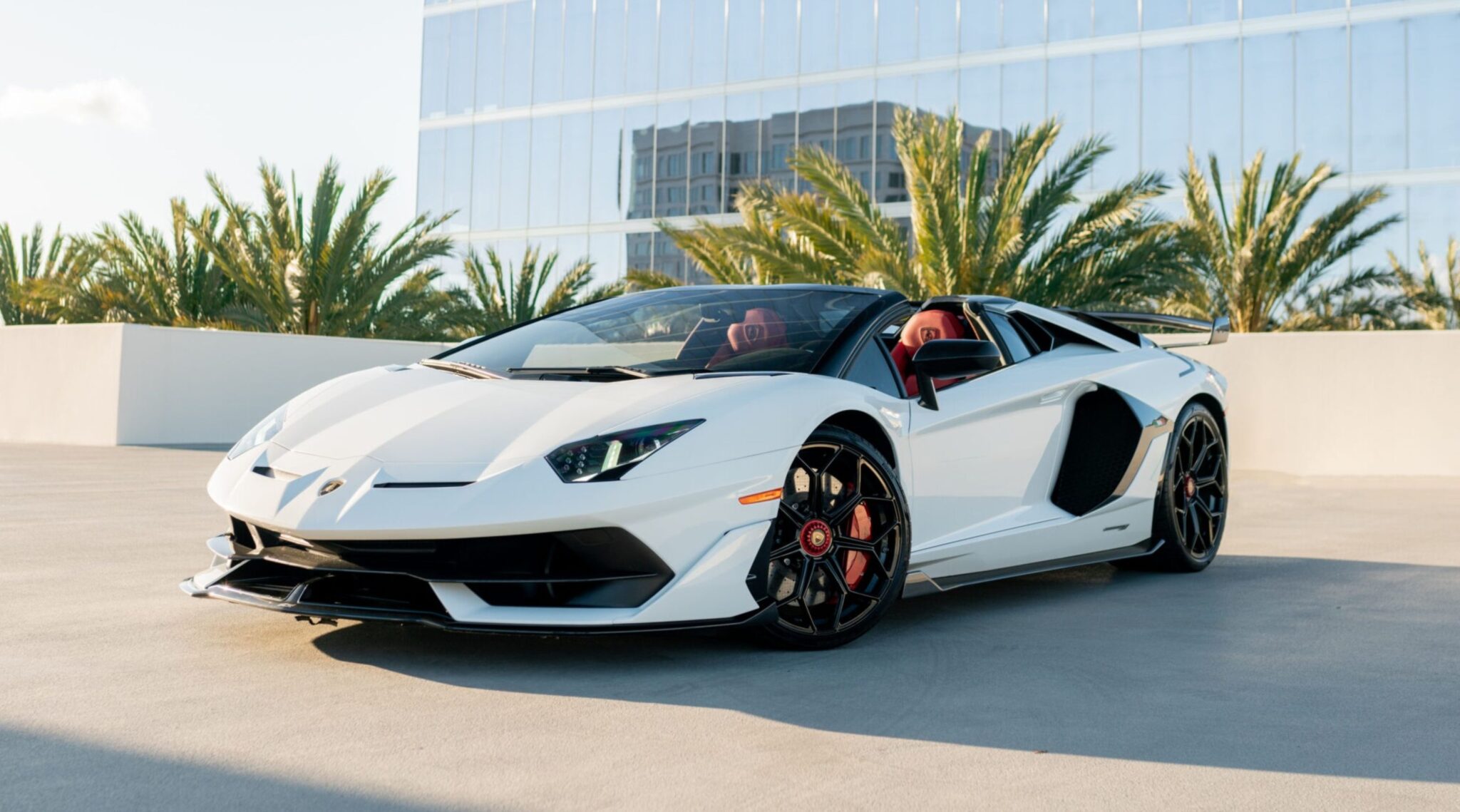
The Lamborghini Aventador SVJ adds 19 hp over the SV for 759 hp, plus rear wheel steering and the ALA active aero system that pushes downforce onto the inside rear wheel through a corner. We run both the SVJ Coupe and the SVJ Roadster. The Roadster carries two carbon roof panels that store in the front trunk.
Aventador Ultimae
The Lamborghini Aventador Ultimae closed the range at 769 hp, the highest figure the V12 reached in this car, pairing the SVJ engine with the S body and chassis rather than the SVJ aero package. It was sold as a coupe and a roadster in small numbers. We do not run the Ultimae.


Frequently Asked Questions