Lamborghini Huracan Rental
Lamborghini's gateway V10, civil in traffic and feral in Corsa mode, with a Spyder and a driver-focused Performante.



.jpeg)

.jpeg)
.jpeg)
.jpeg)
.jpeg)
.jpeg)
Overview
The Lamborghini Huracan is the brand's V10 gateway supercar and the Lamborghini most people have actually seen in person, civil in Strada mode and feral in Corsa. Renters book it for the badge and the noise without the spectacle an Aventador brings, so it draws a long look and a phone rather than the crowd a scissor door car pulls.
How It Drives
The naturally aspirated V10 builds without turbo lag all the way to 8,500 rpm, quiet enough to valet in Strada and stripped of its muffling in Corsa. That range makes the Huracan easy enough for a first supercar day and still sharp enough for an enthusiast chasing a lap time.
Who Rents It
The Lamborghini Huracan is booked by renters who want to be noticed without stopping traffic, since strangers read it as fun rather than intimidating. A first time supercar renter picks it for Strada mode's easy manners, while an enthusiast who already knows the V10's character books it to chase a number on a track day. Someone who wants attention with the top down chooses the Spyder, and a renter who wants this to simply read as their daily car reaches for a black coupe instead. It is the Lamborghini most people have actually seen in person, so it draws a phone rather than a crowd, and it suits a renter who wants the badge without the theatre of an Aventador.
Trim Breakdown
The Lamborghini Huracan range runs from a 572 hp rear drive coupe to the 631 hp STO, across two generations, two drivetrains and an off road version. We run the coupe, the Spyder, the EVO and the Performante.
Huracan and Huracan Spyder
The first Lamborghini Huracan, the LP610-4, makes 602 hp from a naturally aspirated 5.2 liter V10, with every function routed through the gauge cluster rather than a center screen. We run both the coupe and the Spyder, whose fabric roof folds in 17 seconds at up to 31 mph. It is the softest riding Huracan.
Huracan LP580-2 and EVO RWD
The rear drive Lamborghini Huracan came first as the LP580-2 at 572 hp and later as the EVO RWD at 602 hp, both dropping the front driveshafts for a lighter nose and a car that will rotate on throttle. Each was sold as a coupe and a Spyder. We do not run the rear drive cars.
Huracan EVO and EVO Spyder
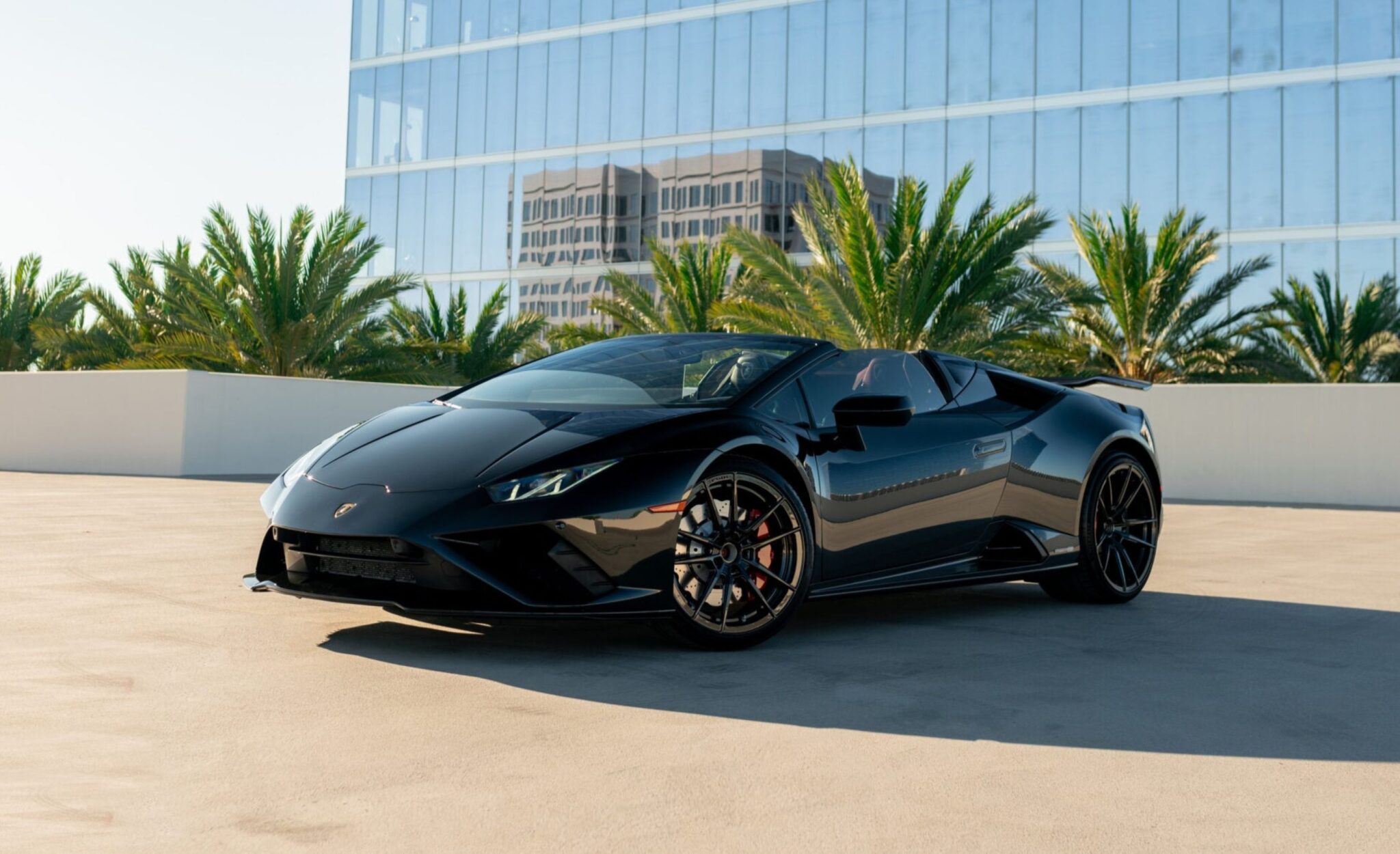
The Lamborghini Huracan EVO lifts output to 631 hp and adds rear wheel steering, a portrait touchscreen, and a predictive chassis controller that sets the car up before you reach the corner. We run the EVO in coupe and Spyder form. It parks more easily than the original car and feels the most modern from the seat.
Huracan Performante
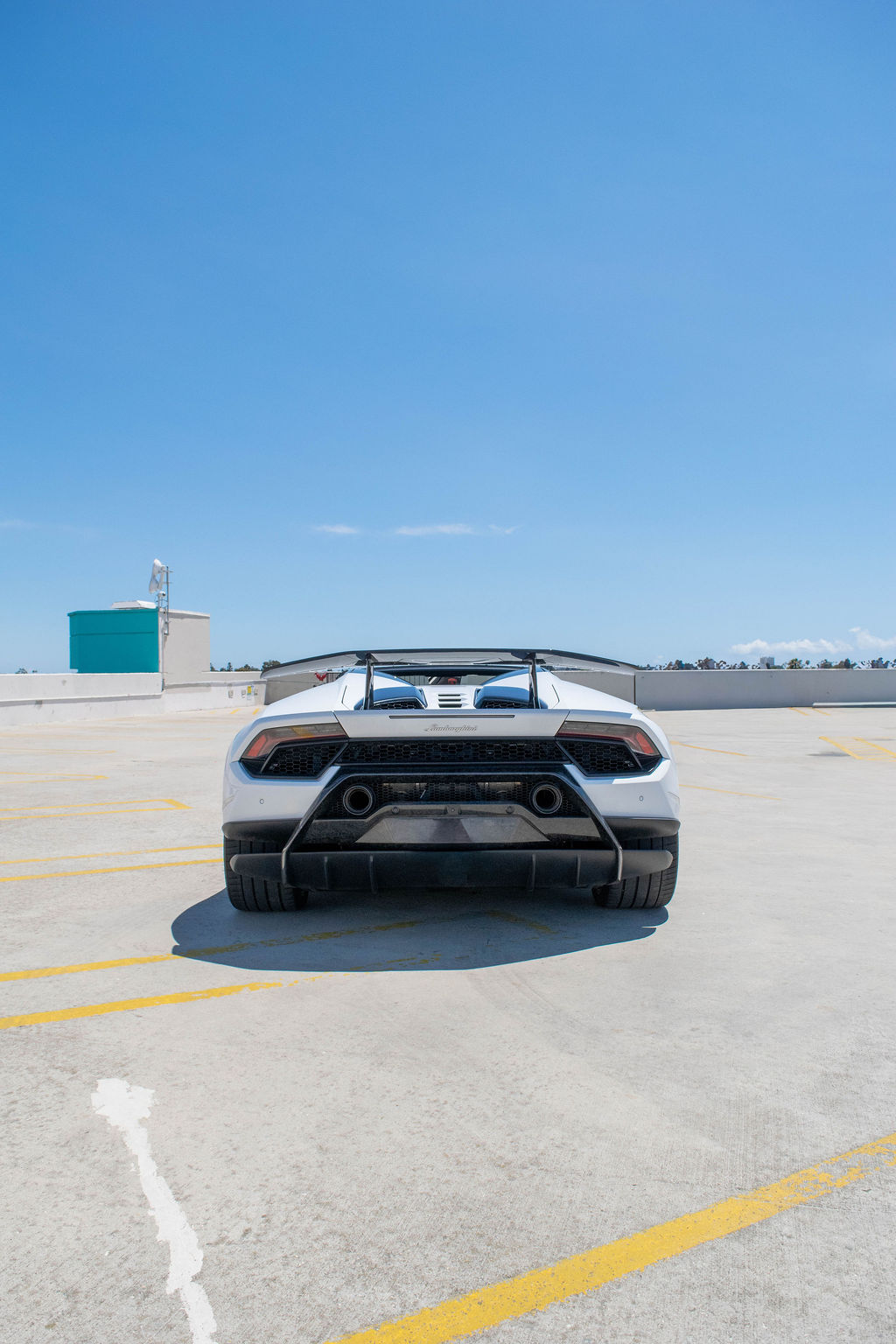
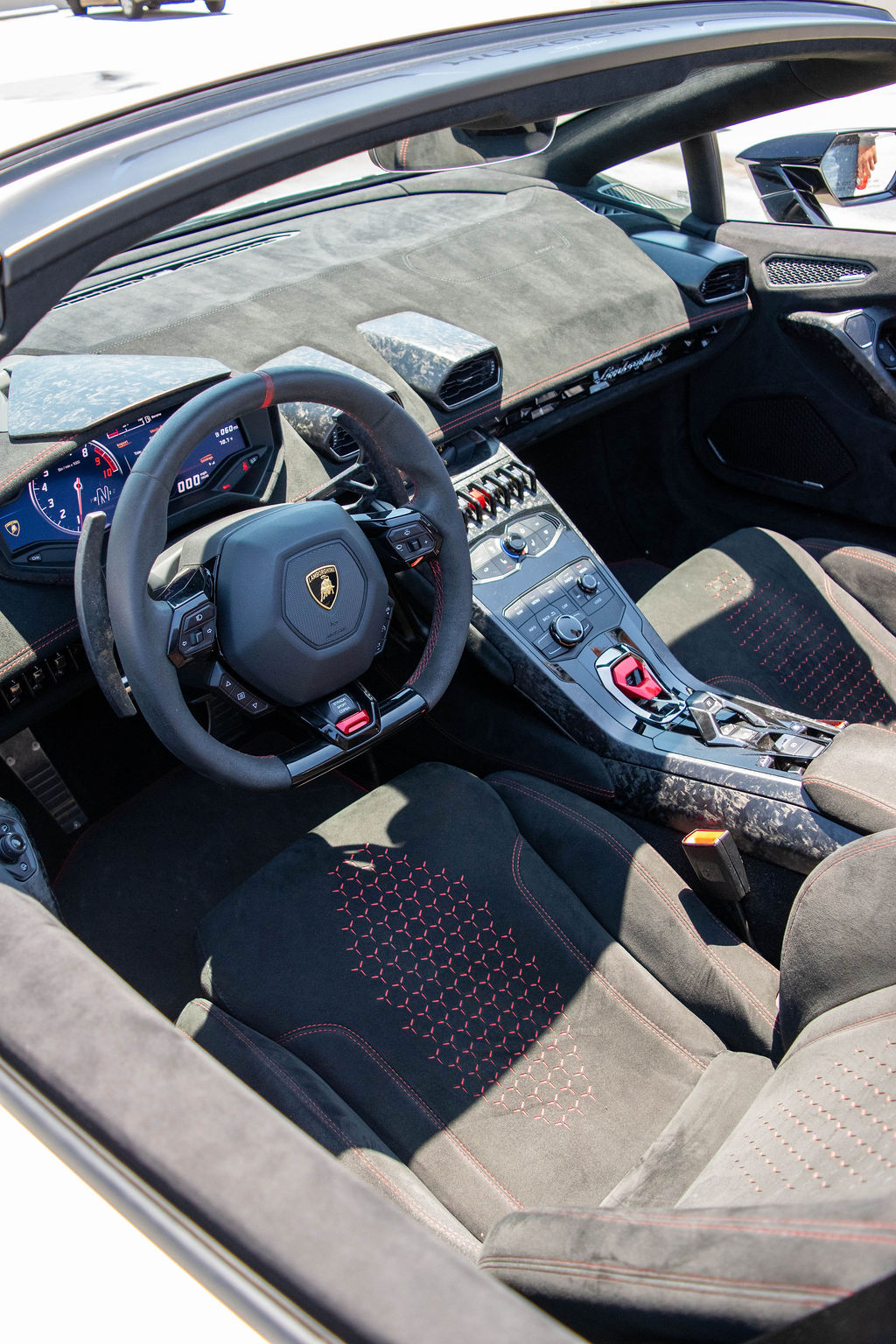
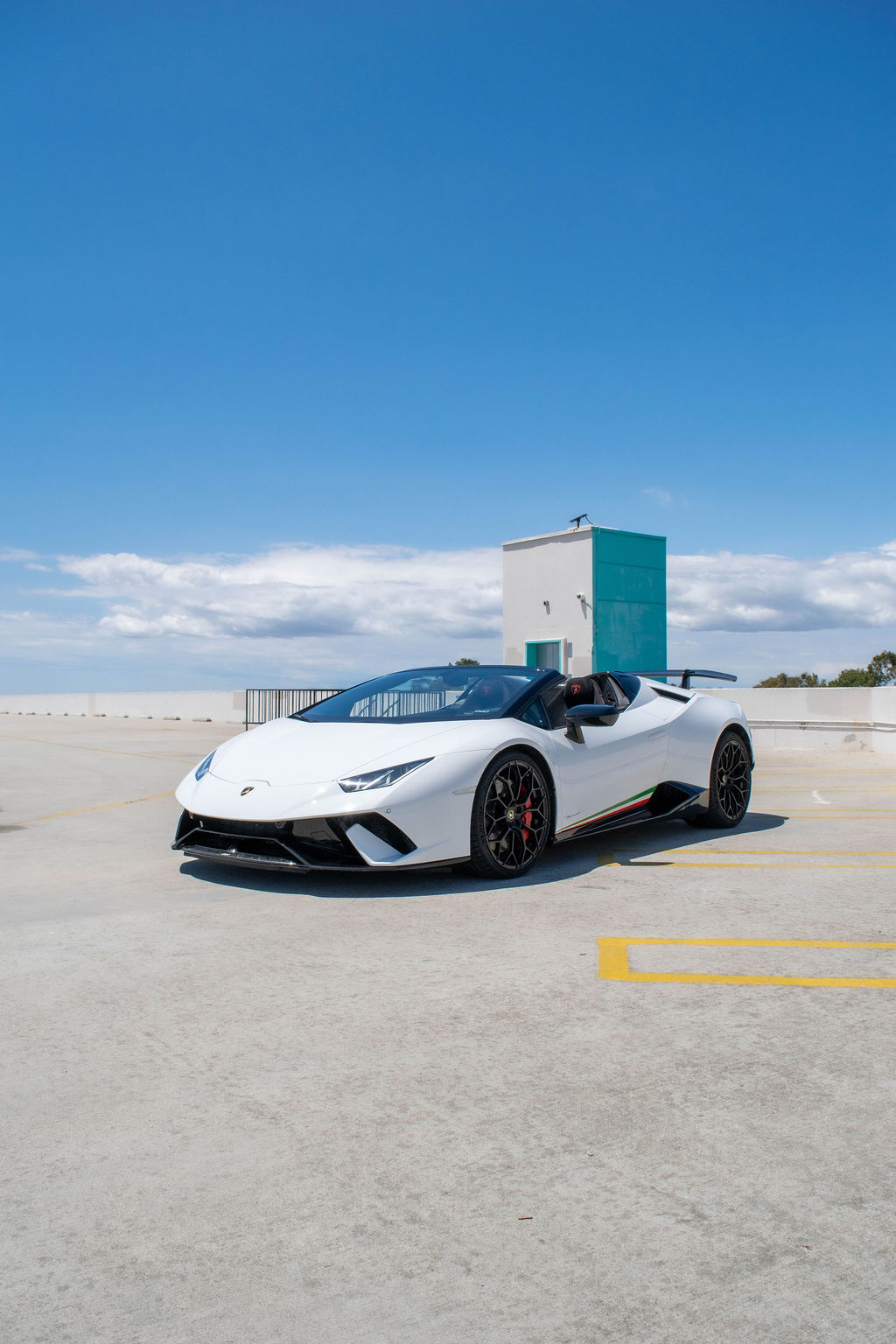
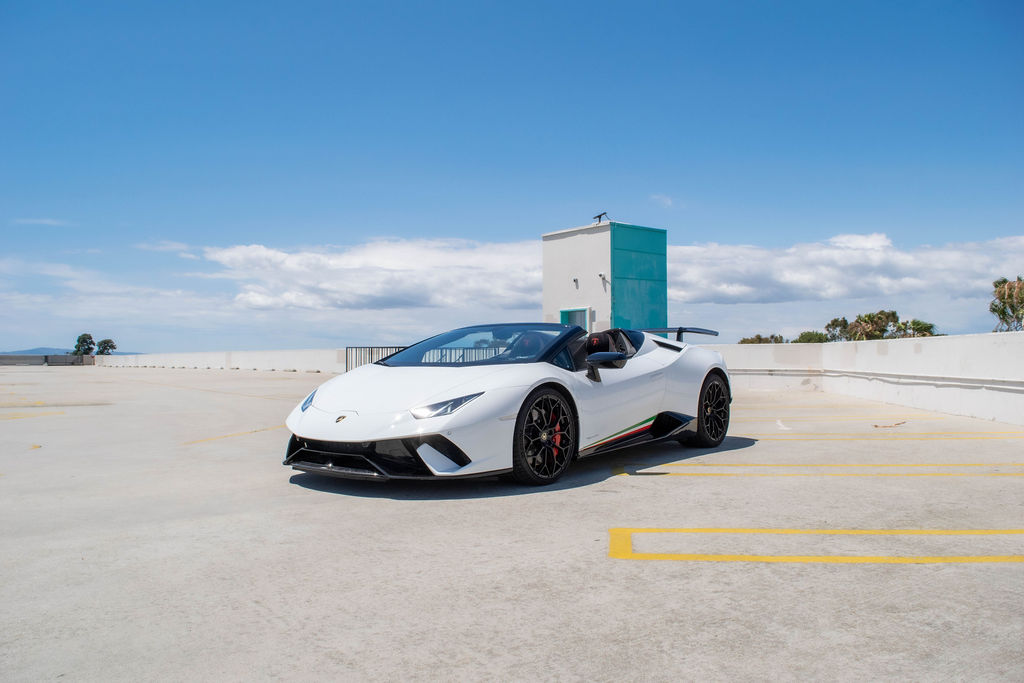
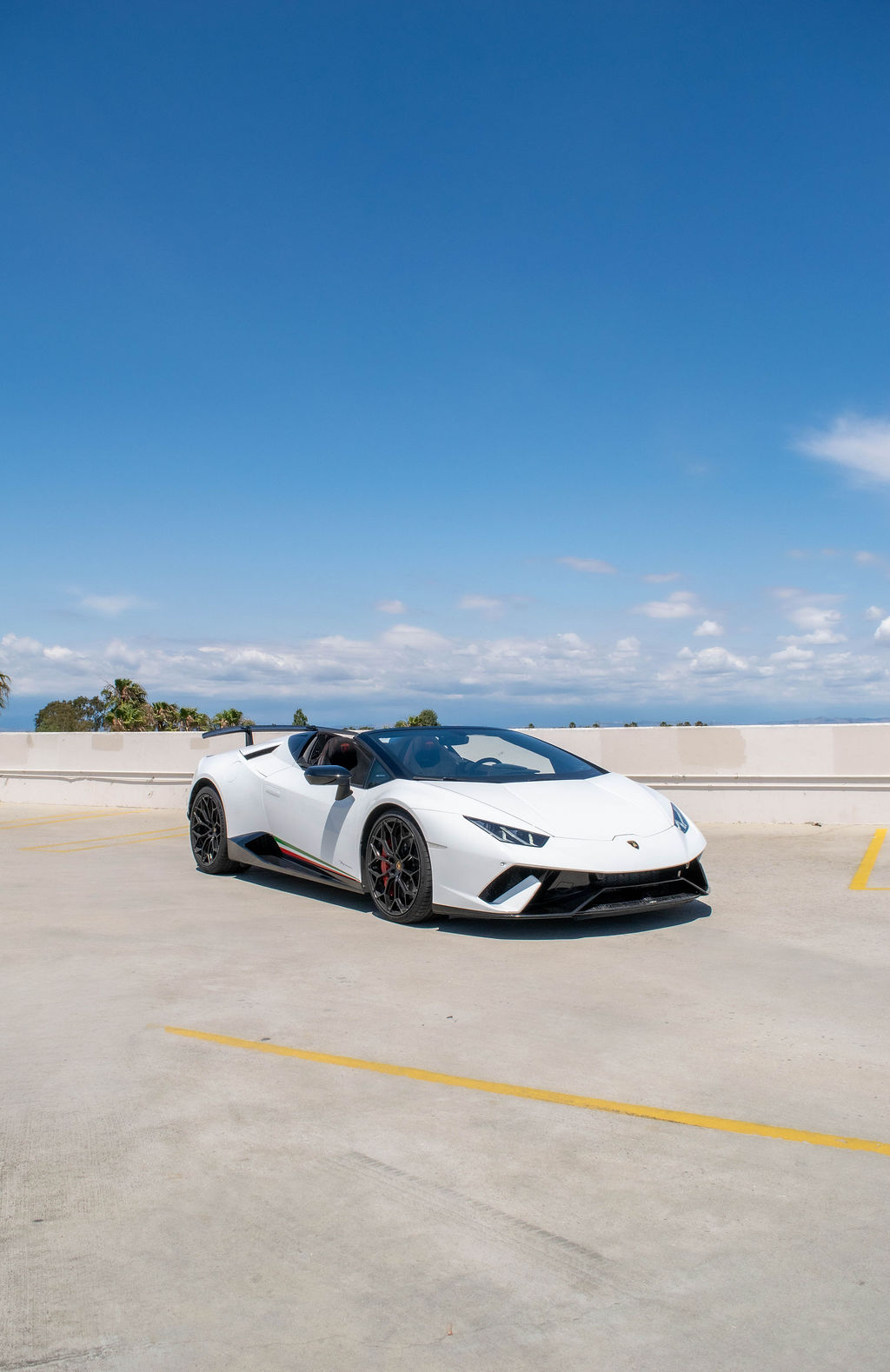
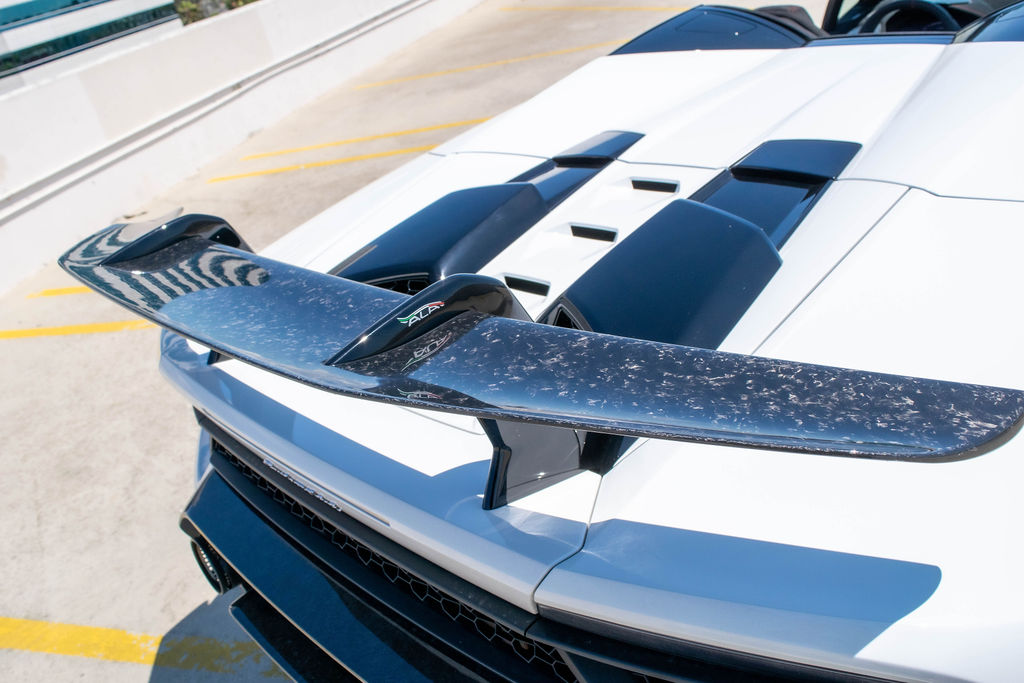
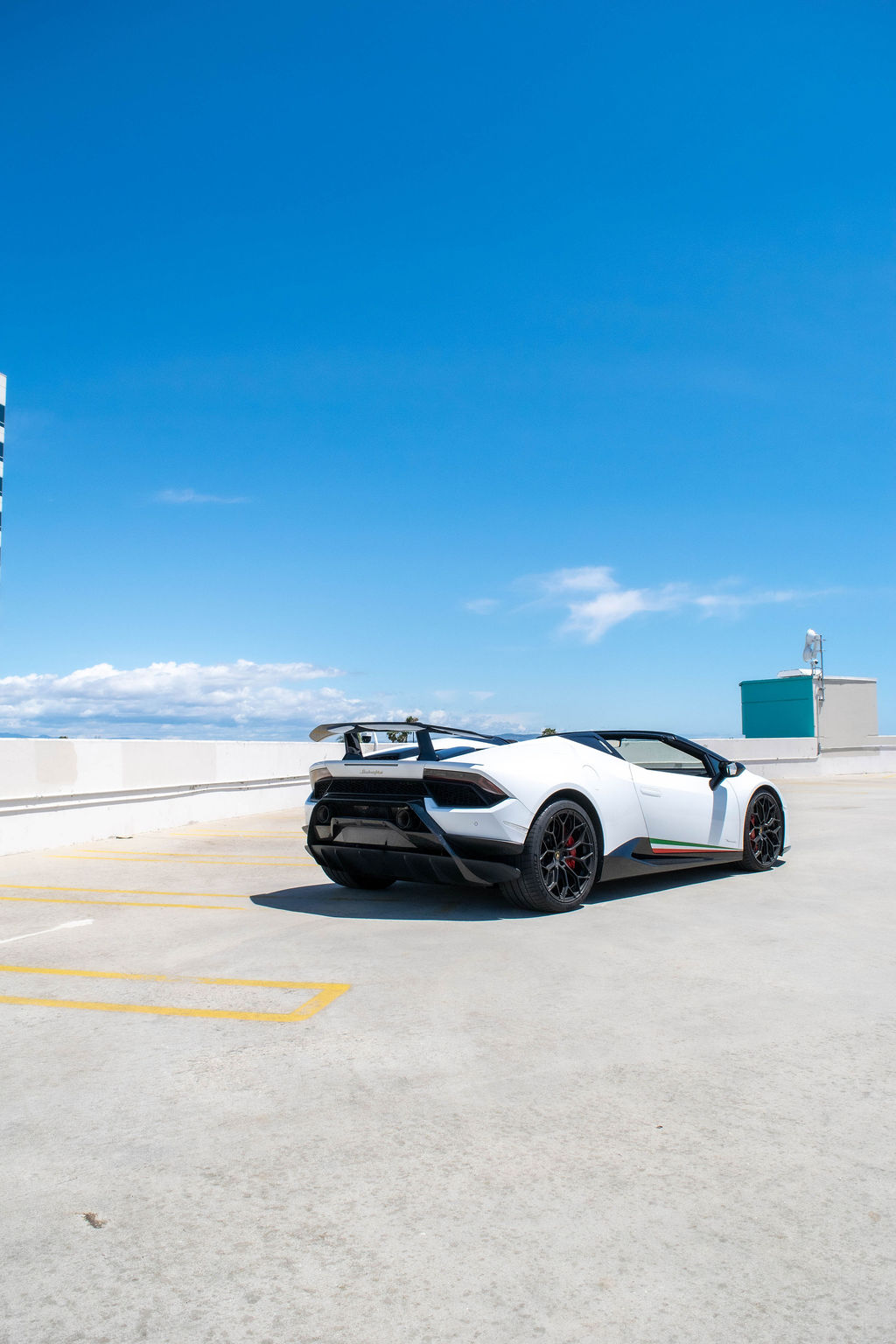
The Lamborghini Huracan Performante makes the same 631 hp as the EVO at roughly 40 kilograms less weight, with stiffer springs, forged composite body panels, and the ALA active aero system that moves downforce between corners. We run the Performante. The ride is firmer and the exhaust is louder than any other Huracan we keep.
Huracan Tecnica, STO and Sterrato
The three specialist Lamborghini Huracans are the Tecnica, a rear drive road car carrying the 631 hp STO engine, the STO itself, a homologated track car with a fixed wing and a single piece front clamshell, and the Sterrato, a 602 hp raised version on all terrain tires. We do not run any of them.


.jpeg)
Frequently Asked Questions