The Owner Split: What 50 to 60 Percent Pays For on Each Side

The owner split is the percentage of each rental that an agency pays the owner of the car. Across the exotic rental industry the owner's share ranges from 50-70%, and the agency keeps the rest. The percentage matters less than what each side pays for out of its share.
What Is a Fair Split Between a Car Owner and a Rental Agency?
A fair split between a car owner and a rental agency is usually 50-60% to the owner, with the exact number set by the car. The agency has to cover the cost of every rental out of its share, so the split depends on how much revenue the car can bring in.
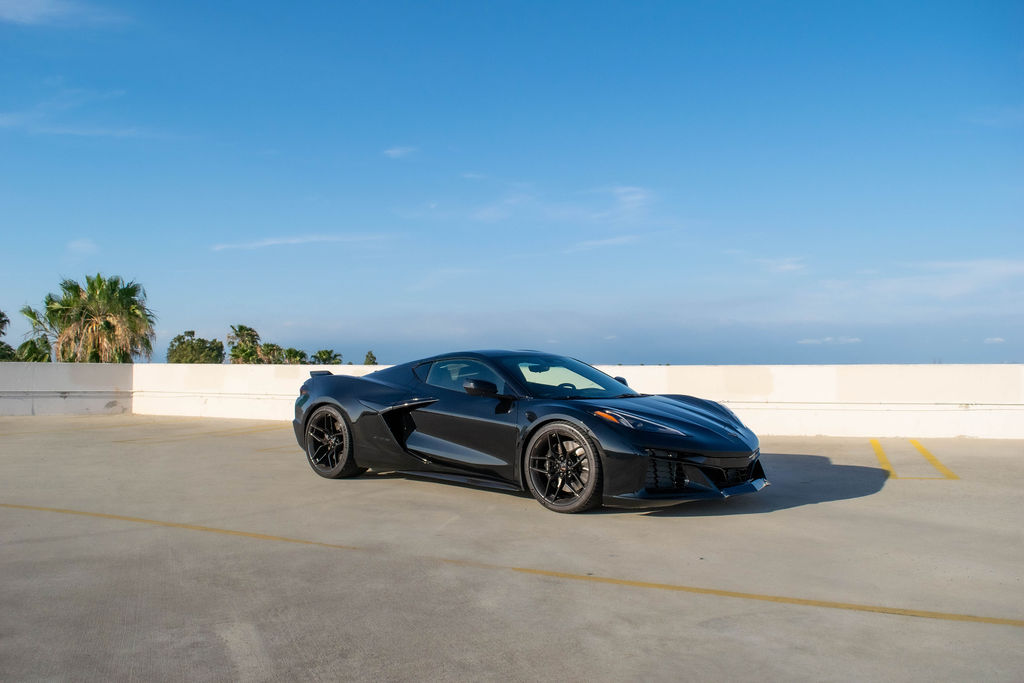
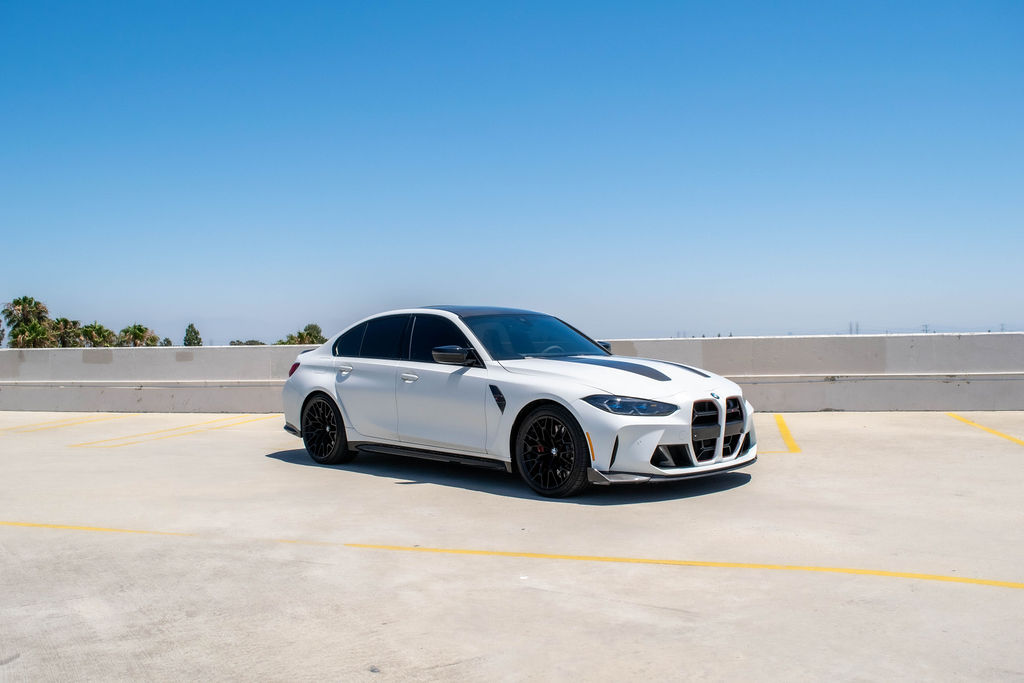
- A car with a lower daily rate, such as a BMW M3 or a Corvette C8, is commonly placed at 50%.
- A car with a higher daily rate or unusually strong demand is commonly placed closer to 60%.
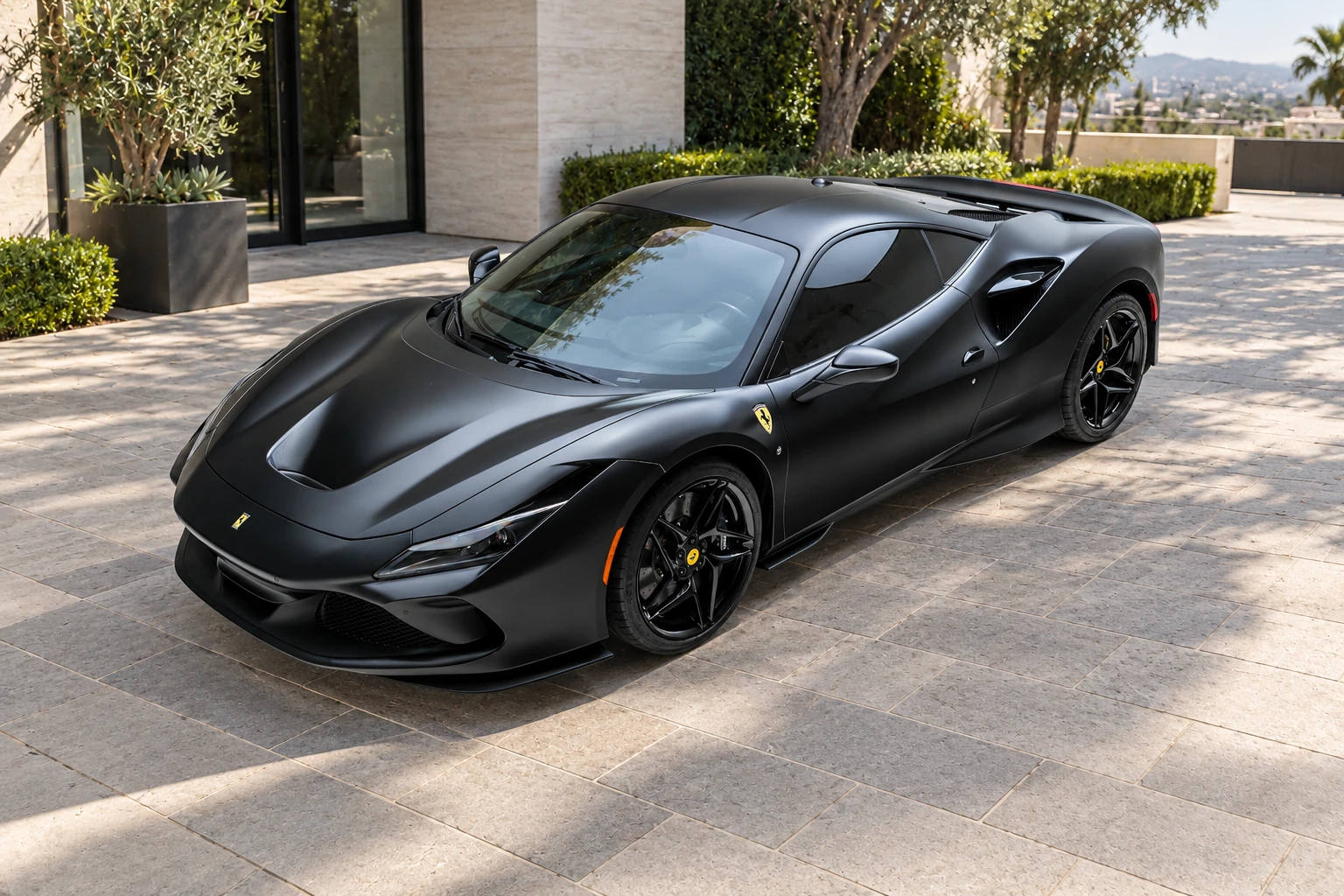
- A rare car with a very high daily rate, such as a newer Ferrari F8, can justify more than 60%.
The right spec can move a car up. A BMW M3 in a color and trim that rents constantly can earn a 60% share, because the volume covers the agency's costs by the end of the month.
What the Agency Pays For Out of Its Share
The agency's share pays for the costs that come with every rental, and most of those costs do not shrink when the daily rate is low.
- The agency pays to find each renter, which is called customer acquisition cost.
- The agency pays for detailing before every rental.
- The agency pays for the fuel used to deliver the car.
- The agency pays for the software that runs the bookings and for the verification on every renter.
- The agency pays the staff who answer at any hour when something goes wrong.
- The agency pays for tows, impound fees, and tolls when a rental goes badly.
Why a Lower-Priced Car Gets a 50% Split
A lower-priced car gets a 50% split because the cost of each rental takes up most of the agency's share. A BMW M3 Competition is a clear example. It commonly rents for $495 a day in Southern California, and most rentals last 1-3 days. The cost of winning one renter through advertising commonly runs $200-300.
The example below shows a one-day rental at two splits. The numbers are an example and not a forecast, and they are not the results of any real car.
- At a 60% owner share, the agency keeps $198, which is less than the cost of finding the renter.
- At a 50% owner share, the agency keeps $247.50, which roughly covers that cost.
- Detailing, fuel, and staff time still come out of the agency's share at either split.
An agency that loses money on a car has no reason to market it, and a car that is not marketed does not rent. A 50% share of a car that rents steadily pays an owner more than a 60% share of a car that sits.
Why Won't a Rental Agency Give the Owner 80 Percent?
A rental agency will not give the owner 80% because 20% of a rental does not cover the cost of running it properly. An agency that offers 70% or 80% has to make up the difference somewhere, and the owner should find out where.
I have seen agencies with high owner splits make up the difference in four ways.
- Some keep the over-mileage fees, or pay the owner only a small part of them.
- Some keep the money recovered for damage, or repair the car quietly and never tell the owner.
- Some rent to anyone who can pay, when they should turn down a renter who is a risk to the car.
- Some drive the cars themselves between rentals, and those miles are never paid for.
Personal use by the agency is sometimes written into the contract, which is why an owner should read every clause before signing. A high percentage is worth less than a lower one if the miles, the damage money, and the screening are missing.
What Sits Outside the Split
Several charges on a rental sit outside the split, and an owner should know who receives each one. The list below shows the common practice, although it varies by agency.
- Over-mileage fees are usually divided, either at the rental percentage or at a fixed amount per mile.
- Delivery fees usually stay with the agency, because they pay the drivers who deliver the car.
- Fuel and cleaning are usually the agency's cost.
- Damage recoveries should go to the owner, because the owner carries the repair and the lost value.
Prometheus Exotics, for example, pays the owner 100% of over-mileage fees. Money recovered for damage pays for the repair and the cost of arranging it, and everything that is left goes to the owner. The car is not the agency's car, so the agency should not profit from its miles or its damage.
Is an Agency Split the Same as a Turo Co-Host Fee?
An agency split is not the same as a Turo co-host fee. A co-host helps a host manage a car that is listed on Turo, and the co-host is paid out of what the host earns there. Turo itself takes 10-30% of the trip price first, depending on the plan the host chooses.
An agency rents the car under its own contract, finds its own renters, and carries its own costs. Its share is larger than a co-host fee, although it is a share of a higher daily rate. The post on the Turo exception compares the two.
What to Ask an Agency Before Agreeing to a Split
An owner should ask six questions before agreeing to any split, because the answers change the payout more than the percentage does.
- Ask to see the booking process, including how each renter is verified before the car leaves.
- Ask what share of the agency's bookings are retail and what share are wholesale.
- Ask whether the agency negotiates its prices, because every discount comes out of the owner's share too.
- Ask what software runs the bookings, because an agency run on a spreadsheet is hard to hold to account.
- Ask how the owner sees each rental and what it earned.
- Ask whether the agency has rented this make and model before, and whether its marketing reaches the renters who want it.
The posts on the owner's math, vehicle management, and carrying cost cover what a rental car earns, how placing one works, and what it costs to own.
The Owner Split at Prometheus Exotics
I'm Ken Van Vorhis, the founder of Prometheus Exotics, an exotic car rental agency in Orange County, California. I have sat on both sides of this split, first as an owner with my own cars placed at an agency and now as the agency. I would rather turn an owner down than agree to a split that I cannot run a car properly on.
At Prometheus Exotics, we pay owners 50-60% of each rental and 100% of the over-mileage fees. Money recovered for damage pays for the repair first, and what is left goes to the owner. Owners can see every rental their car goes out on and what it earned. To find out where your car falls in that range, send us the year, make, model, and mileage through the Prometheus Exotics investor page.
Details checked November 2026.
Frequently Asked Questions