The Turo Exception: Why Turo Stops Working for a Six-Figure Car


The Turo exception is the point where Turo stops being the right place for a car. Turo works well for most cars worth less than about $100,000, and it will list a car worth up to $200,000. Above about $100,000, however, an owner usually earns more and risks less by placing the car with an exotic rental agency.
What Is the Most Expensive Car You Can List on Turo?
The most expensive car you can list on Turo in the United States is one with a fair market value of $200,000. Turo sets that limit because its reimbursement for damage or theft stops at $200,000. Many newer Lamborghini, Ferrari, and McLaren models are worth more than that, so those cars cannot be listed at all.
A car worth $100,000-200,000 can be listed, although listing it is rarely the best choice. Two things change at that level. The repairs get expensive enough that every damage claim matters, and the car can rent for far more through an agency.
What Are Turo's Car Requirements?
Turo's car requirements in the United States cover the age, the value, and the condition of the car. The requirements that matter most for a high-value car are listed below.
- The car can be no more than 12 years old, unless Turo approves it as a classic or specialty vehicle.
- The car must have a fair market value of $200,000 or less.
- A car worth $125,000 or more needs an activated factory tracker, or Turo may withhold up to 20% of a damage payment.
- A car worth more than $85,000 is placed in Super Deluxe Class, where every renter must be at least 30 years old.
The age limit rarely matters for an exotic, because most exotics lose their rental demand after about 8-10 years. Renters want the current cars, and an older car usually has to be a classic to hold their interest.
Does Turo Insurance Cover an Exotic Car?
Turo does not insure an exotic car against damage, because what it offers a host is a reimbursement contract and not an insurance policy. Turo's own terms say that it is not an insurance company and that it does not offer insurance for physical damage to a host's car. The liability insurance on a trip is a separate policy, and it covers injuries and damage to other people.
Turo calls its host plans earnings plans, although many hosts still call them protection plans. Each plan trades a share of the trip price for a level of damage responsibility, which is the amount the host pays before Turo reimburses anything. In most US markets the three plans work as follows.
- The More peace of mind plan pays the host 70% of the trip price, with $250 of damage responsibility.
- The Balanced plan pays the host 80% of the trip price, with $1,500 of damage responsibility.
- The More earnings plan pays the host 90% of the trip price, with $2,750 of damage responsibility.
An owner of a six-figure car usually picks the 70% plan, because one repair on an exotic can cost more than a month of trips. That choice means Turo keeps 30% of every trip before the owner is paid.
What Happens When an Exotic Is Damaged on Turo
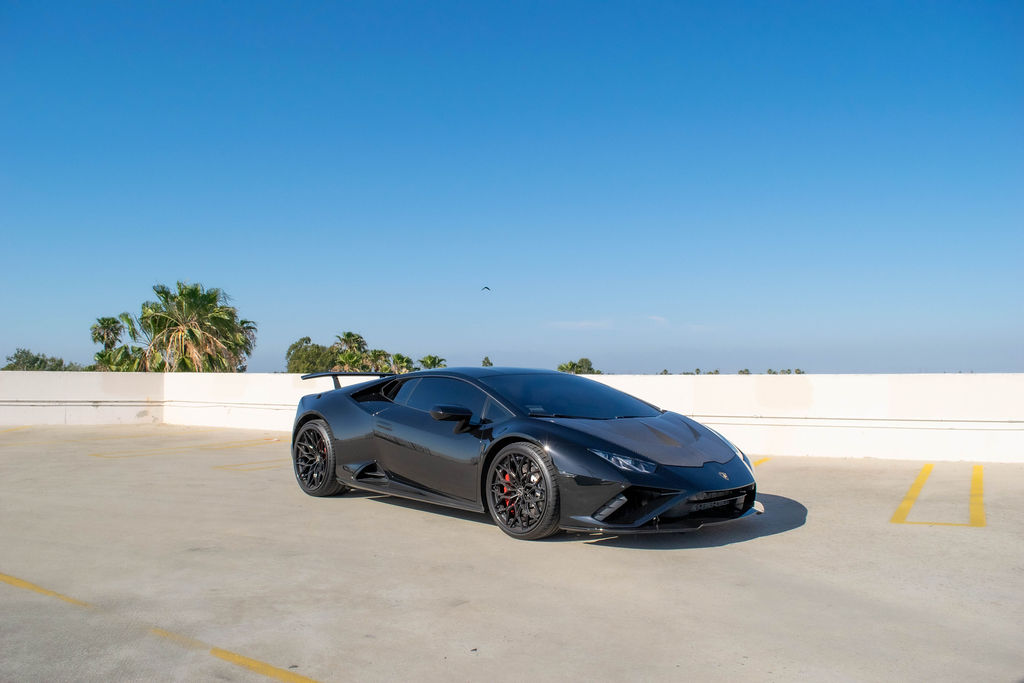
Small damage on an exotic is rarely small. A scrape on the front bumper of a Lamborghini Huracan can mean replacing the whole bumper, and that repair can cost about $10,000. On an ordinary car the same scrape is a few hundred dollars of paint.
In my experience, and from what owners who have listed exotics tell me, Turo fights tooth and nail on every expensive repair claim. A total loss usually gets paid, while a smaller and expensive repair turns into a dispute. Turo pays those repairs itself and not through an insurer, so every claim it approves comes out of its own funds.
Turo's published terms show where those disputes come from.
- Scratches, dings, and dents of 3 inches or less are treated as wear and tear, and they are not reimbursed.
- Photos must be taken within 24 hours before the trip and within 24 hours after it, and they must carry the date, time, and location data.
- Repairs at certain repair facilities are not reimbursed, so the owner has to confirm the shop first.
- Diminished value is not paid, which is the resale value a car loses after an accident repair.
- Lost income is not paid for the days the car sits in the shop.
Each of those rules is manageable on a $30,000 car. On a $150,000 car, however, a missed photo or a short scratch can leave the owner paying for an expensive repair alone.
Why a Six-Figure Car Earns More at an Agency
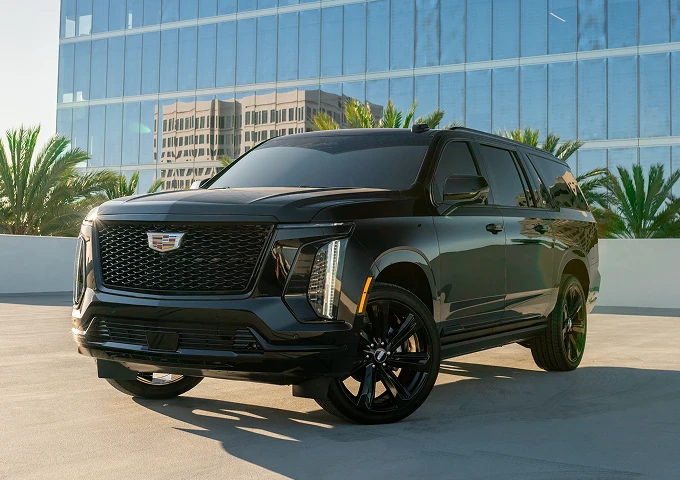
Exotic rental agencies commonly charge about 1.5 to 2 times what the same car lists for on Turo. A Cadillac Escalade is a simple example, because it commonly rents for about $400 a day through an agency and for less than $200 a day on Turo.
The example below compares one rental day on each side. The numbers are an example and not a forecast, and they are not the results of any real car.
- A car lists for $500 a day on Turo, and the owner on the 70% plan receives $350.
- The same car rents for $900 a day through an agency, and the owner at a 60% share receives $540.
The agency's percentage is smaller, but it is a share of a larger number. An owner should compare the dollars that reach the owner, and not the percentages.
Over-mileage fees widen the gap. Agencies commonly charge $3-10 for each mile over the limit on an exotic, while extra miles on Turo are usually priced far lower. Those fees matter to an owner, because extra miles are what drive depreciation.
Turo also has fees that the owner never sees. The renter pays a trip fee on top of the trip price, and that fee goes to Turo. The host's share is calculated on the trip price alone, so the renter can pay well above the listed price while the owner is paid on the lower number.
Who Rents an Exotic on Turo and Who Rents From an Agency
Renters go to an agency when they cannot get the car they want on Turo. An enthusiast who wants a specific make, model, and trim will pay more for it, and an agency is where that car is found. Agencies also serve corporate events, photo shoots, and clients who want the car delivered and a person to call.
An agency is not free of risk, however. Agencies set their own renter requirements, and some rent to drivers younger than Turo allows on a high-value car. A good agency manages that risk by verifying each renter's license and insurance before the car leaves.
When Turo Is the Right Call
Turo is the right call for a car that is not flashy or rare enough for the exotic rental market, and price alone does not decide that. An older Porsche 911 Carrera is a good example. It is an excellent car worth more than $80,000, although it sees little demand at an exotic agency and steady demand on Turo.
A Maserati GranTurismo or a Maserati Ghibli follows the same pattern. Renters can find plenty of those cars on Turo, so they have little reason to look for one at an agency. An agency is the alternative to Turo, and it wins only when the car is hard to get anywhere else.
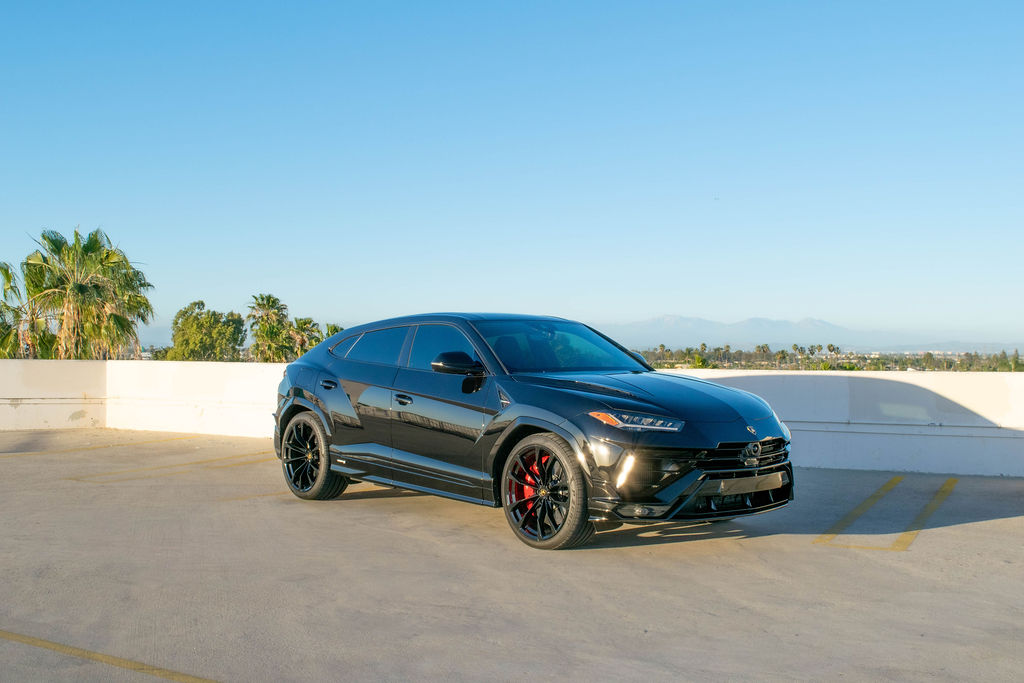
A Lamborghini Urus is the opposite case, because renters ask for it by name and will pay an agency rate to get it.
Should I Put My Car on Turo or With a Rental Agency?
The answer depends on the car's value and on how easy the car is to find on Turo. The guide below covers most cases.
- A car worth less than about $100,000 usually belongs on Turo.
- A car worth $100,000-200,000 can be listed on Turo, although it usually earns more with an agency.
- A car worth more than $200,000 cannot be listed on Turo, so an agency is the option.
- A car that is common on Turo belongs on Turo at any price, because renters will not pay agency rates for it.
Moving from Turo to exotic rentals is a change of business and not a next step. Exotic rentals run on relationships between agencies, brokers, and owners, and none of that exists on a platform. A Turo host who wants to run an agency one day should first place a car with an existing agency and watch how it performs.
The posts on vehicle management and the owner's math explain how that arrangement works and what it pays.
The Turo Exception at Prometheus Exotics
I'm Ken Van Vorhis, the founder of Prometheus Exotics, an exotic car rental agency in Orange County, California. I started as a car owner who wanted to run an agency one day, so I placed my own cars with rental agencies and asked them how the business worked. They took the time to show me, because they wanted my cars in their fleets.
One of those agencies later hired me as its fleet manager. I ran that agency's fleet for several months while my own cars were placed with it, and I learned the industry from the inside.
At Prometheus Exotics, we place privately owned cars that are worth more than Turo can hold, along with cars that earn more off the platform. We pay owners 50-60% of each rental and 100% of the over-mileage fees. To find out which side your car belongs on, send us the year, make, model, and mileage through the Prometheus Exotics investor page.
Details checked November 2026.
Frequently Asked Questions