The Owner's Math: What One Rental Car Really Earns


The owner's math is the full calculation of what a rental car earns the person who owns it. The owner receives a share of the rental revenue, and then pays for the car payment, the insurance, the maintenance, and the depreciation out of that share. Most pitches show only the revenue, although the costs decide whether the car is profitable.
What Does a Rental Car Earn Its Owner?
A rental car earns its owner the share of rental revenue that is left after the costs of owning the car. The revenue side is one number, while the cost side has several. An owner who knows only the first number does not know what the car earns.
- The owner's share of the rental revenue comes in.
- The car payment goes out, if the car is financed.
- The insurance on the car goes out.
- Maintenance goes out, including tires, brakes, and the extra wear that renting adds.
- Depreciation goes out, which is the value the car loses as it ages and gains miles.
The monthly check is revenue and not profit, even though it is often described as passive income. The owner does not handle renters or deliveries, but the owner still has to track the odometer, the repair bills, and what the car is worth.
A Worked Example With a Lamborghini Urus
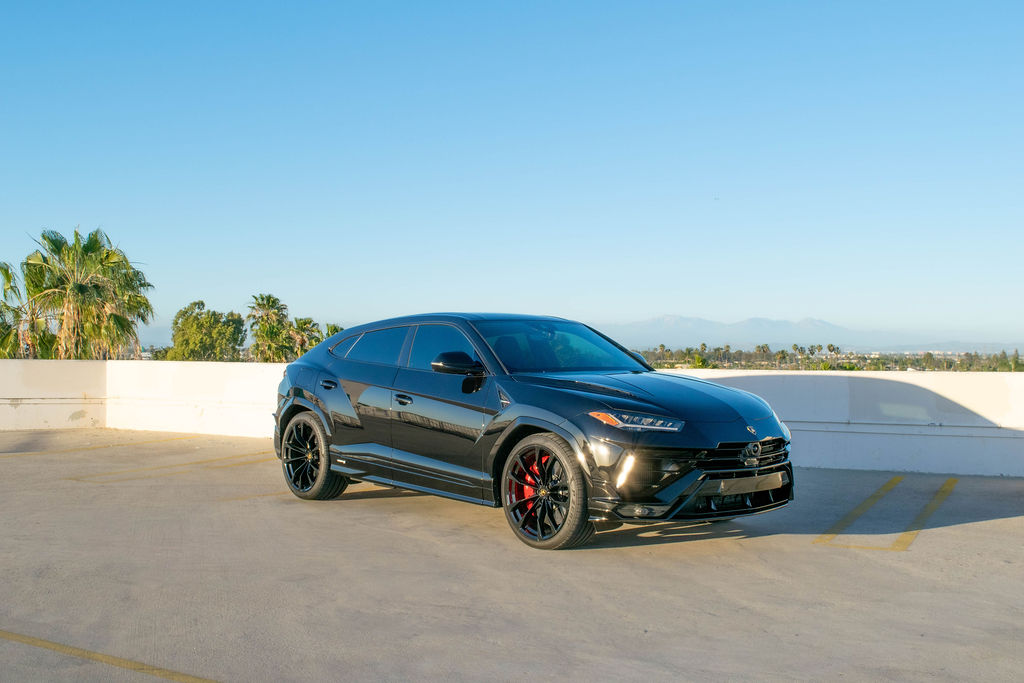
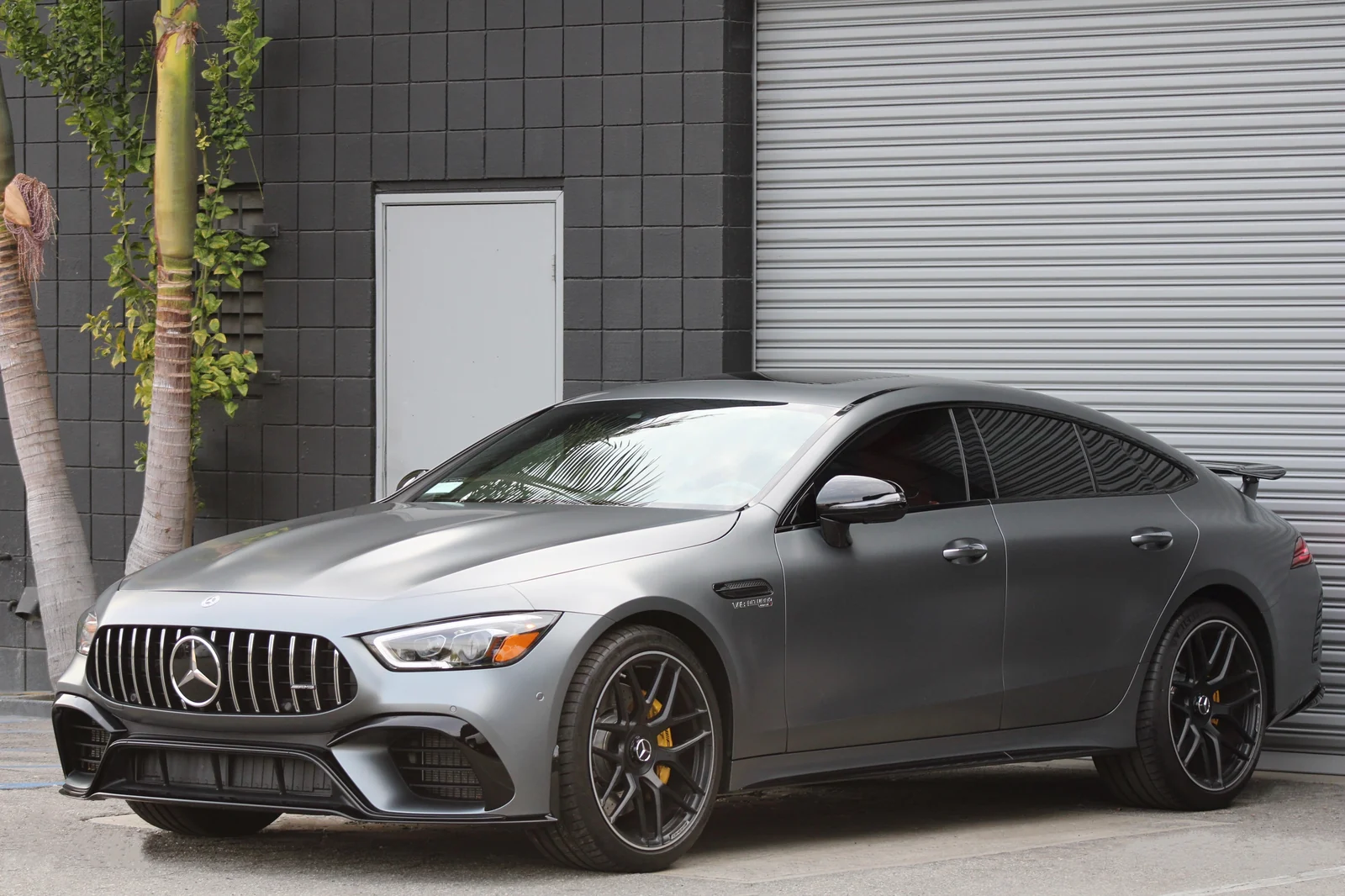
The Lamborghini Urus is one of the highest-demand cars in exotic rentals, and it commonly rents for $995 a day. The example below uses a 60% owner share, which sits inside the industry range of 50-70%. The numbers are an example and not a forecast, and they are not the results of any real car.
A strong month for a Urus is about 20 rental days. Those days rarely all book at the full daily rate, because longer rentals are discounted.
- Six days book as short rentals at $995 a day, which comes to $5,970.
- One 14-day rental books at 30% off, which comes to $9,751.
- Rental revenue for the month is $15,721, and not the $19,900 that 20 days at full rate would suggest.
- At a 60% share, the owner receives about $9,430.
A slow month for the same Urus is closer to 10 rental days. If those days book as short rentals at the full rate, revenue is $9,950 and the owner's share is $5,970. A Urus is close to the best case, however, because some cars rent only 1 or 2 days in a month and some do not rent at all.
Why the Same Car Earns Different Amounts
Three things change what the same car earns from one month to the next, and from one agency to the next. Rental days are only the first of them.
- The length of each rental matters, because a 14-day rental is priced well below 14 single days.
- The wholesale and retail mix matters, because a wholesale booking pays 20-35% less than a retail booking.
- The car itself matters, because demand depends on the make, the model, the trim, and even the color.
A retail booking is one the agency finds through its own marketing, while a wholesale booking comes through a broker or another agency at a lower rate. The owner's share is calculated after that discount, so an owner earns less on every wholesale booking. A long rental that is also a wholesale booking is discounted twice.
The mix depends on the agency's marketing. An agency with strong demand for the owner's kind of car may rent it at retail most of the month, while an agency without that demand has to offer the same car on the wholesale market. An owner should ask any agency what share of its bookings are retail before placing a car, because that answer changes the payout more than the percentage split does.
What Comes Out of the Owner's Share
The car payment, the insurance, the maintenance, and the depreciation all come out of the owner's share. Those costs vary so much from car to car that no single figure fits, which is why an owner should measure them on the actual car.
One month is a poor measure, because a single repair can equal a full month of income. An owner should judge the car on a yearly average, since a strong month and a repair month only make sense together. The same owner should track the odometer and the car's market value, because depreciation can catch up with the income after 12-24 months of steady renting.
Over-mileage fees are the charge a renter pays for each mile beyond the included miles, and on a Urus the fee is commonly about $5 a mile. Across the industry the fee is usually divided between the agency and the owner, either at the same percentage as the rental or at a fixed amount per mile. Prometheus Exotics, for example, pays the owner 100% of over-mileage fees, because the extra miles are a cost that only the owner carries.
Will Rental Income Cover the Car Payment?
Rental income usually covers the payment on a high-demand car, although it does not do so every month. What is left after the payment varies widely, from almost nothing in one month to a real surplus in another.
An owner should still be able to make the payment without the rentals. A car can sit, and a car can spend weeks in a shop while the payment stays due. Place a car you can already afford, never one you need the rentals to keep.
A buyer who has not chosen a car yet has an advantage, because an agency can say which make, model, trim, and color rent before the money is spent. A paid-off car also gives the owner more freedom than a financed one, since no lender has to approve a wrap, a modification, or the way the car is used.
Why a Lower Daily Rate Can Earn More
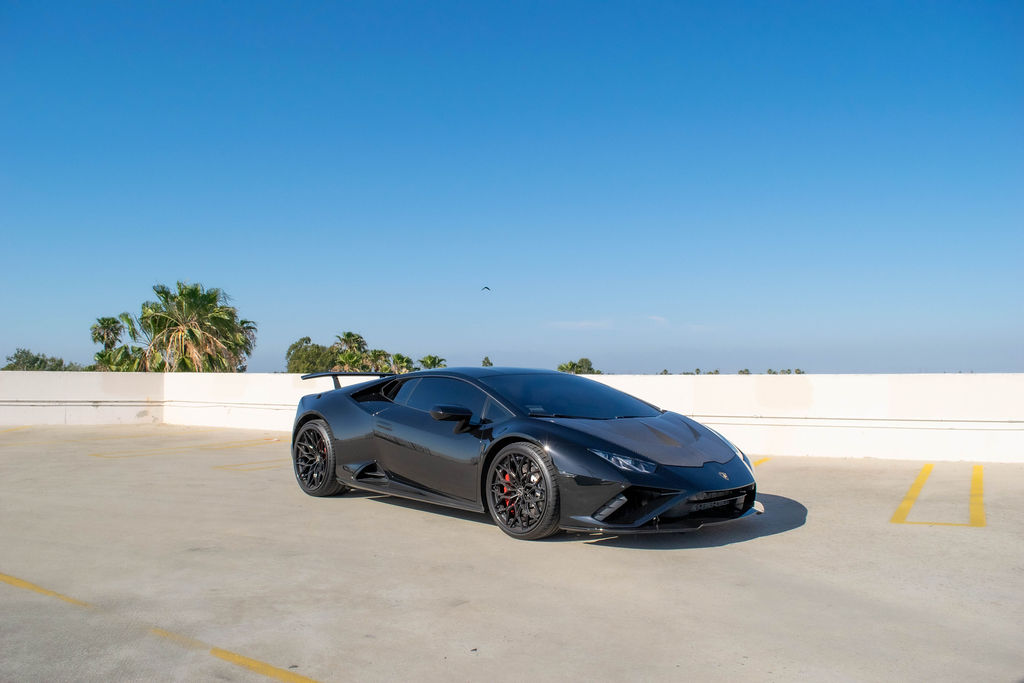
A car with a lower daily rate can earn more over a year than a car with a higher one, because days in the shop earn nothing. The Lamborghini Urus and the Lamborghini Huracan show the difference.
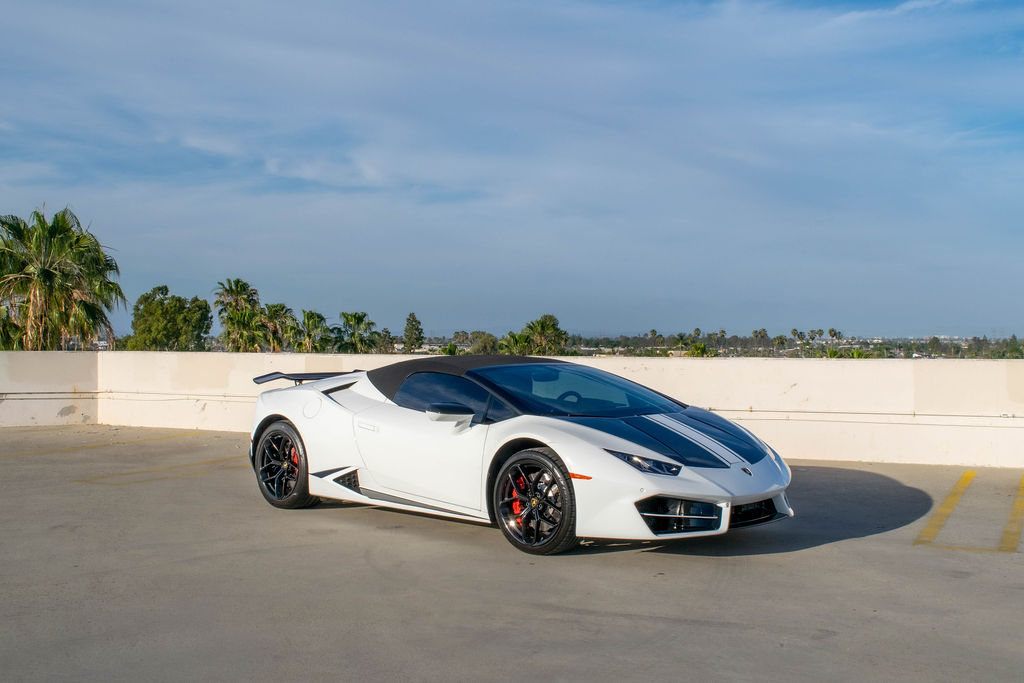
A Huracan rents for more than a Urus, from about $1,195 a day for a base car to about $1,495 for a Performante. However, a Huracan is rented to be driven, while a Urus is mostly rented to be seen. The Huracan sits low, and its front lip scrapes on driveways and curbs. A badly scraped lip takes the car off the road until it is repaired.
The usual damage on a Urus is a scraped wheel or a door ding, so the Urus stays available and keeps renting. Over time the Urus tends to earn more for both the owner and the agency, which is why it is known as one of the best cars to place in a rental fleet.
An Exotic Rental Agency vs Turo for an Owner
Turo fits cars worth less than about $100,000, while an exotic rental agency fits the cars above that. On Turo, hosts in most US markets keep 70%, 80%, or 90% of the trip price, depending on the plan they choose. An agency's split looks smaller next to those figures, although it is a share of a larger number.
Exotic rental agencies commonly charge about 1.5 to 2 times what the same car lists for on Turo, and their over-mileage fees are far higher. An owner comparing the two should compare the dollars that reach the owner, and not the percentages. The post on vehicle management explains how placing a car with an agency works.
The Owner's Math at Prometheus Exotics
I'm Ken Van Vorhis, the founder of Prometheus Exotics, an exotic car rental agency in Orange County, California. I placed my own cars with a rental agency as a private owner, and two parts of the math were never explained to me. Nobody told me that the industry runs on wholesale and retail, or that longer rentals are discounted on both sides.
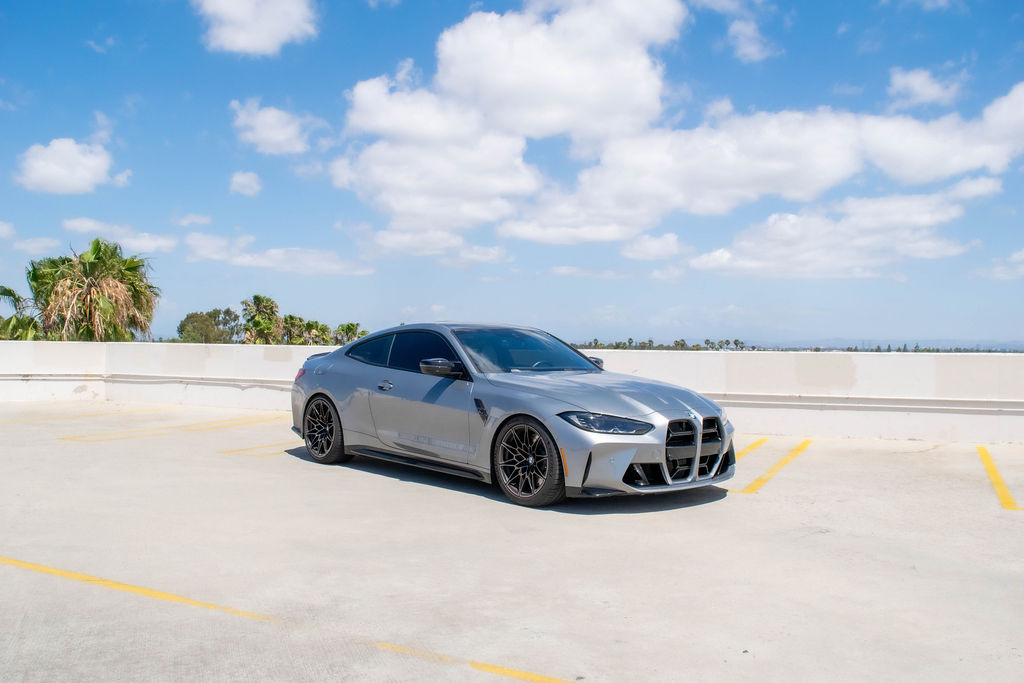
Nobody told me which car to buy either. I bought a lime green convertible BMW M4 because it looked like the perfect rental for a beach market, and it rented only a few days a month. Renters who want an M4 want a coupe in black, blue, or white.
At Prometheus Exotics, we pay owners 50-60% of each rental and 100% of the over-mileage fees. We hold our share at 40-50%, because that share pays for the marketing, the staff, the software, and the verification behind every rental. To find out what your car is likely to do, send us the year, make, model, and mileage through the Prometheus Exotics investor page.
Details checked November 2026.
Frequently Asked Questions